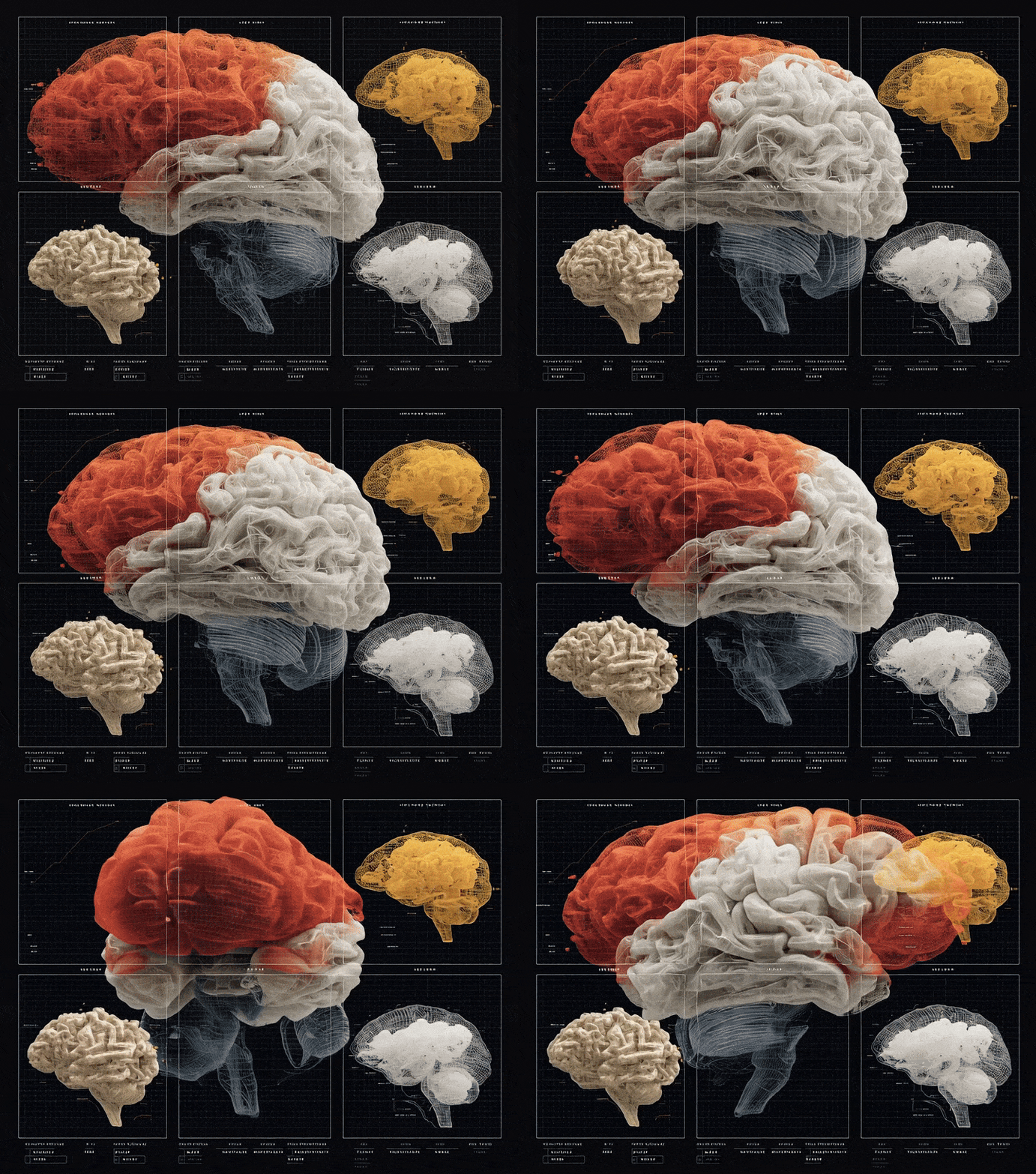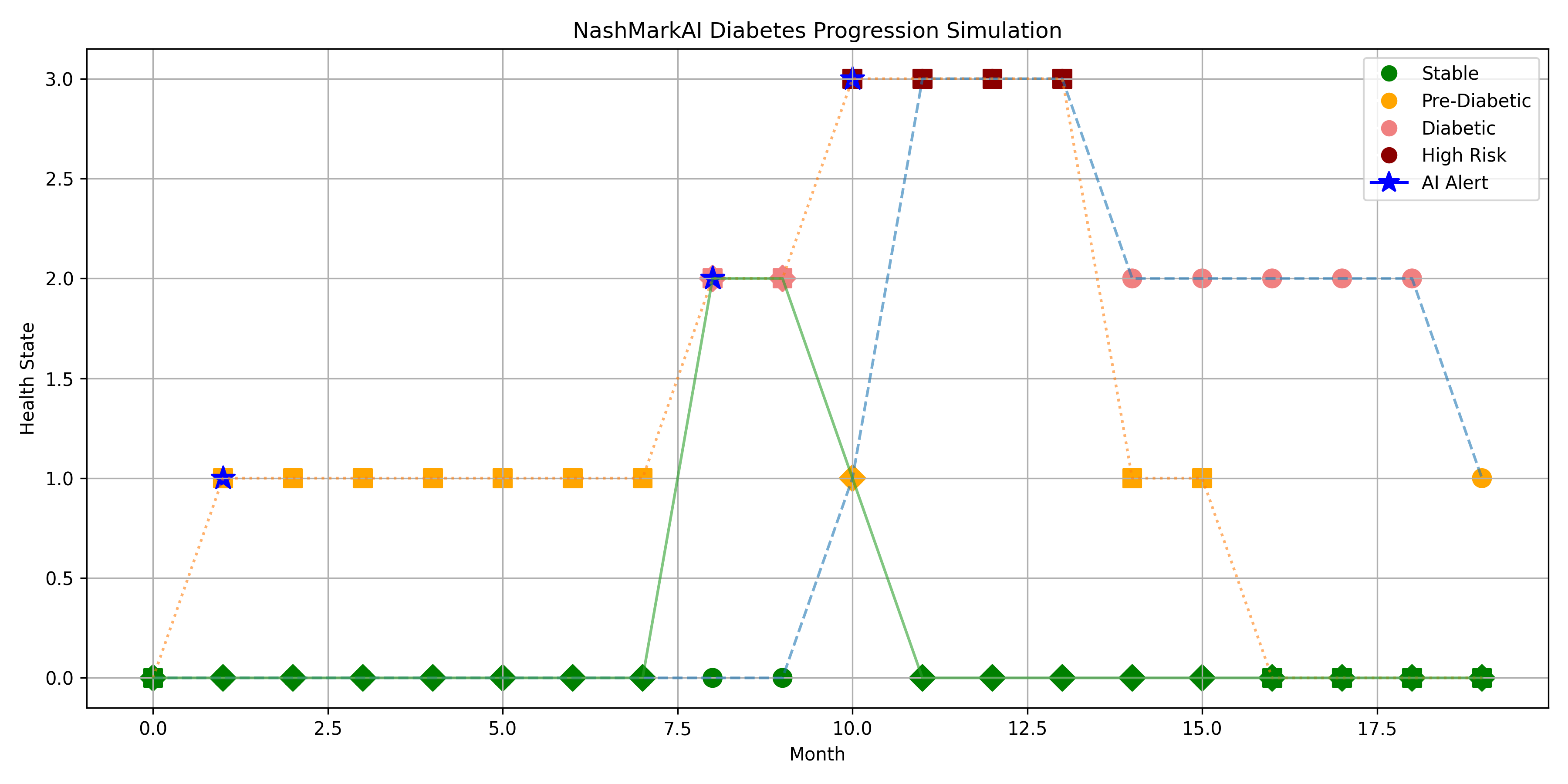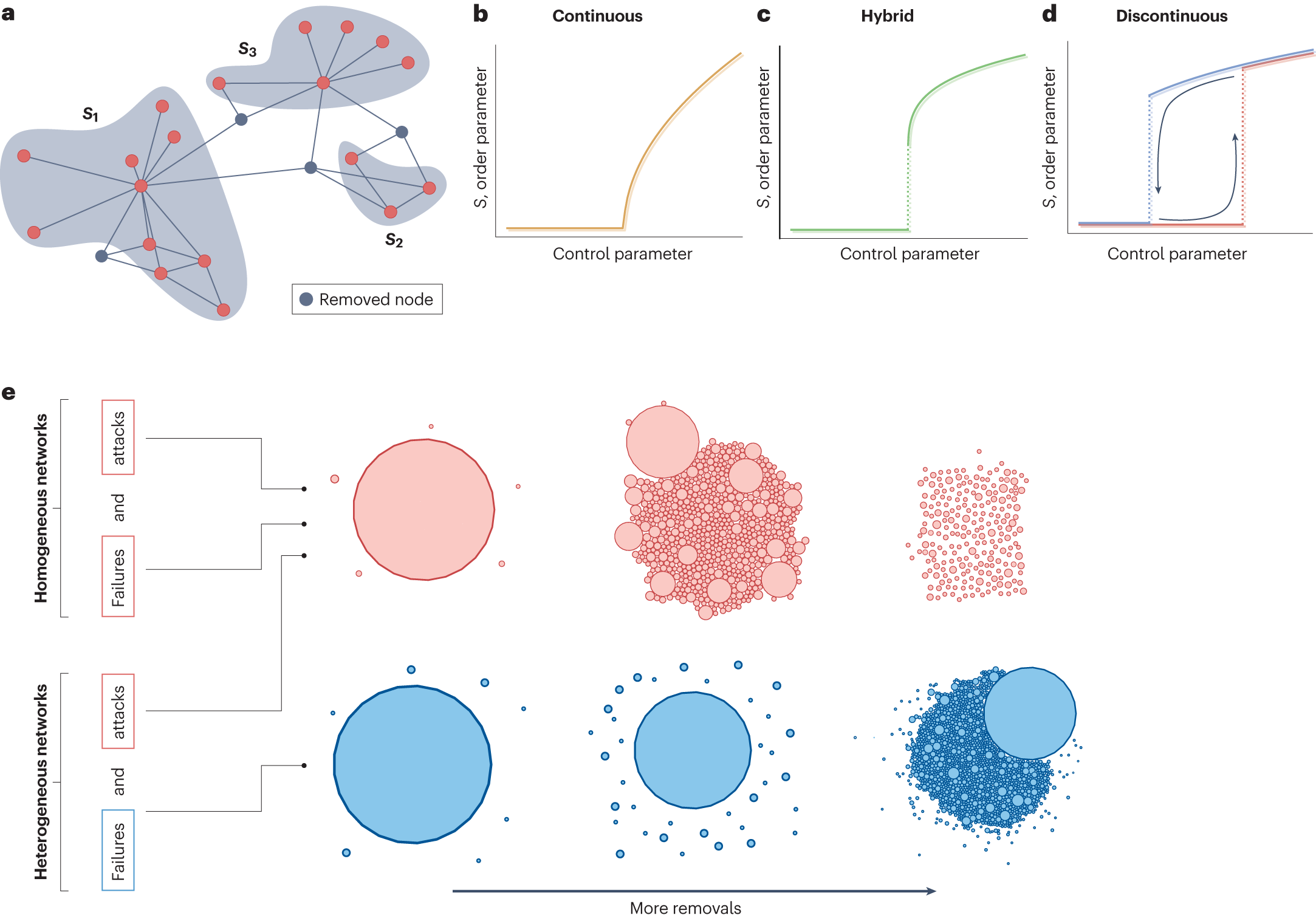
This section presents the applied core of Truthfarian.
It brings together operational models, simulations, and analytical frameworks that translate equilibrium theory into working systems across healthcare, economics, and complex generative environments.
These are not conceptual papers.
They are applied models designed to expose drift, quantify imbalance, and restore natural equilibrium where linear systems fail.
I. What this section contains
| Model Domain | Focus |
|---|---|
| Cognitive & Mental Health Systems | Temporal dislocation, cognitive drift, and equilibrium failure as causal mechanisms in dementia and behavioural degradation |
| Economic Equilibrium Models | Decentralised NashMark AI simulations demonstrating non-extractive, equilibrium-driven economic coordination |
| Generative & Non-Equilibrium Systems | Analysis of probabilistic AI drift, perturbation amplification, and failure of truth convergence |
| Predictive & Preventative Healthcare | Early-stage detection and intervention models based on equilibrium restoration rather than reactive treatment |
II. Why these models matter
| Conventional Approach | Truthfarian Applied Models |
|---|---|
| Linear prediction and scale | Equilibrium-driven stability |
| Centralised control | Decentralised mathematical coordination |
| Brute compute and extraction | Formula-led efficiency |
| Reactive correction | Predictive restoration |
| Output optimisation | System coherence |
Here, formulas perform the heavy lifting.
Not infrastructure. Not enforcement. Not scale.
III. How to use this section
- Each model is self-contained, but designed to interoperate.
- Models are grouped by application domain, not discipline.
- Together, they form a unified applied research layer grounded in equilibrium logic.
The organising principle is simple:
When equilibrium is correctly defined, systems stabilise themselves.