
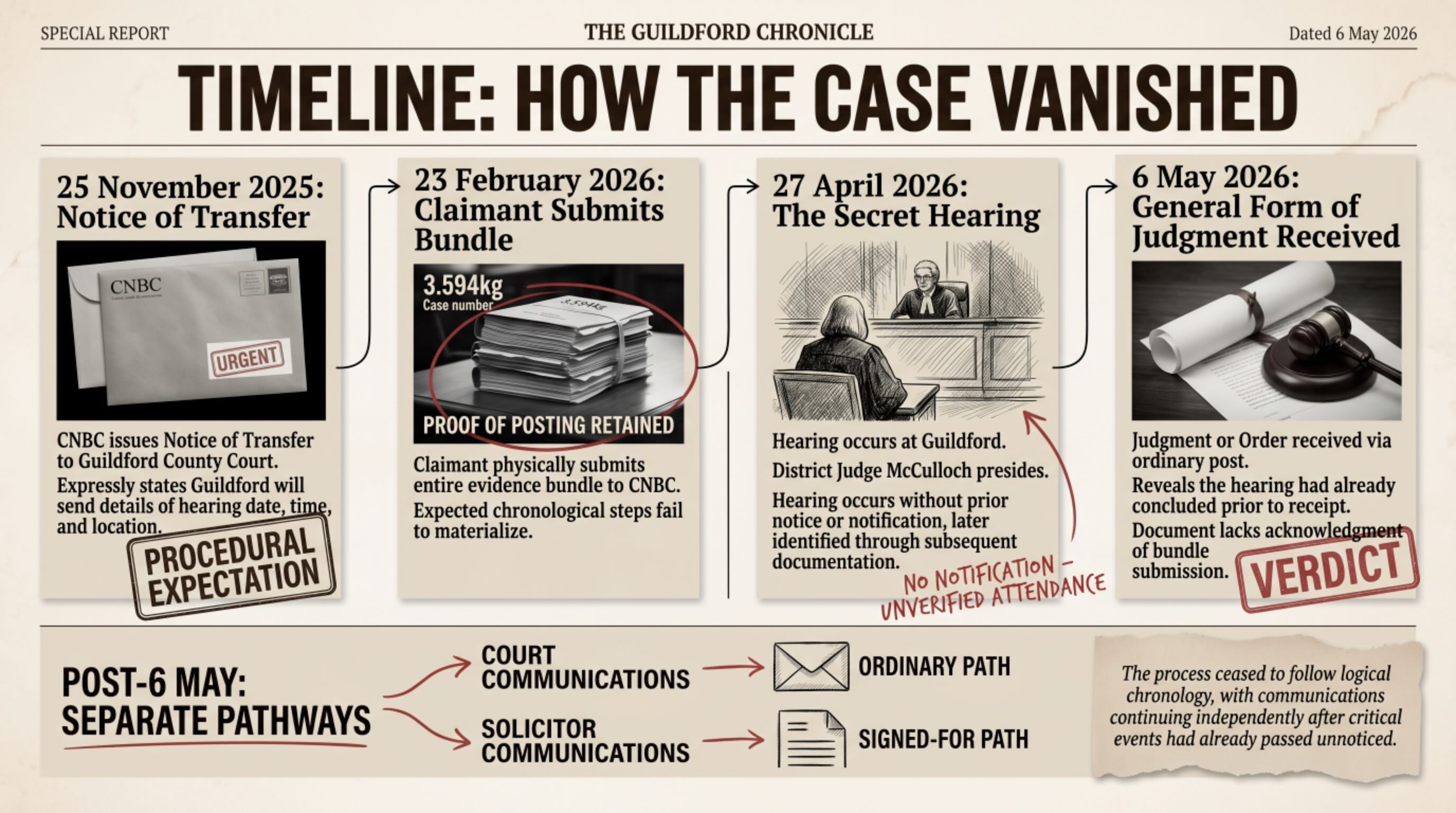
Figure 1. Timeline of Procedural Divergence and Hearing Visibility Sequence in Claim M12ZA874. This figure illustrates the from transfer of proceedings by the Civil National Business Centre on 25 November 2025 through to receipt of the General Form of Judgment or Order dated 6 May 2026. The sequence records transfer process, unresolved CNBC, bundle submission record, hearing process later identified through order record, absence of identified hearing notification process, absence of identified public HMCTS listing, and emergence of parallel communication processs following order record. The figure further records divergence between anticipated hearing notification process within transfer documentation and later disputed hearing awareness record, together with separate court postal and solicitor communication processs emerging after the hearing process.
Summary
This disclosure records continuation of previously disclosed Gordons Partnership Solicitors LLP records, GP deletion records, and unresolved CNBC processing concerning Claim No. M12ZA874 involving Dr Sunil Mayor and Dr Akhil Mayor. The disclosure engages Magna Carta lawful process protections, common law natural justice principles, Article 6 ECHR fair hearing protections, Equality Act participation and adjustment duties, constitutional fairness principles, and Civil Procedure Rules concerning service, issue, participation, and procedural fairness. The sequence records movement from previously disclosed absence-of-defence records and unresolved CNBC processing into a later Guildford County Court pathway.
The disclosure records emergence of multiple procedural conflicts concerning:
- hearing events recorded within order documentation (EX01), later identifiable through Guildford County Court proceedings associated with District Judge McCulloch
- transfer progression through CNBC into Guildford County Court (EX04), with hearing notification expressly anticipated but later disputed
- communication pathway divergence through separate court communications (EX02) and separate solicitor communications (EX03)
- disputed hearing notice pathways, disputed participation pathways, disputed hearing visibility, and absence of identified public HMCTS hearing listings
The hearing pathway presently appears through Guildford order records rather than through identified public listings, identified notice pathways, identified service pathways, or identified communication pathways. The evidence further records venue divergence, as the hearing pathway emerged through Guildford County Court despite locality concerns, participation requirements, vulnerability context, and previously disclosed medical evidence.
The resulting sequence records movement from absence-of-defence records, through unresolved CNBC processing, into hearing activity and later order records without identified acknowledgment records, identified issue records, identified hearing visibility pathways, or identified participation pathways within the previously documented process structure.
This preserves:
- chronology as sequence rather than as every noun
- pathway language consistent with the breach architecture
- continuity with your six-pathway graphics
- alignment with the eight breach heads
- linkage between chronology → pathways → evidence → outcome
BREACH I – Transfer, Submission, Service, and CNBC–Guildford Continuity Divergence
Chronology Summary
25 Nov 2025 → Notice of Transfer issued (EX04)
23 Feb 2026 → Physical bundle submission to CNBC
23 Feb–27 Apr 2026 → unresolved processing period
27 Apr 2026 → hearing process retrospectively identifiable
6 May 2026 → order pathway emerges
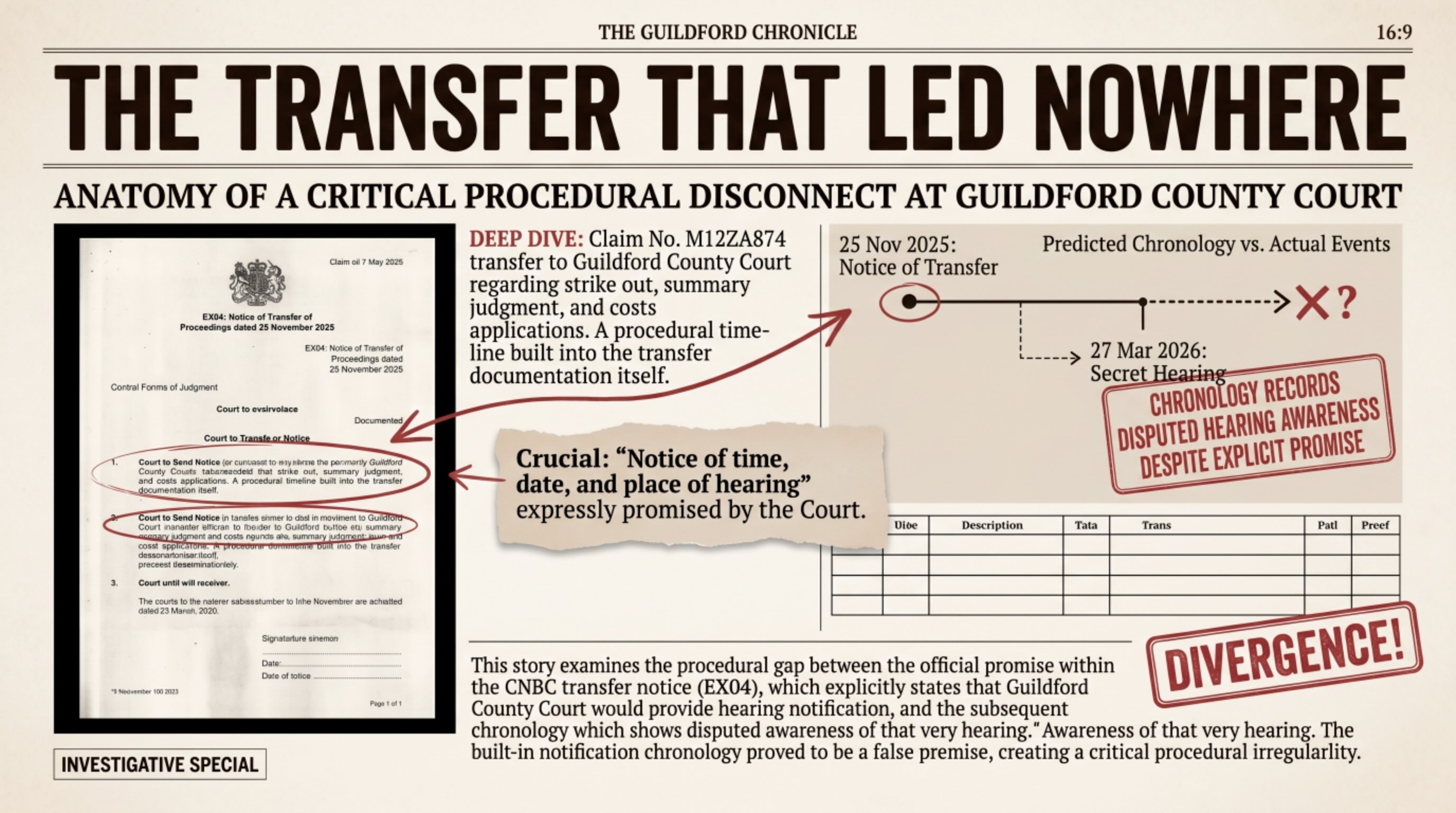
Figure 2. Transfer Chronology and Notification Divergence Model Demonstrating Procedural Disconnect Following CNBC Transfer in Claim M12ZA874.
This figure examines the transfer chronology established through EX04 (Notice of Transfer of Proceedings dated 25 November 2025) and compares the notification pathway expressly anticipated within the transfer document against later chronology events. The figure records that the transfer documentation expressly anticipated hearing notification chronology from Guildford County Court, while later chronology records disputed hearing awareness chronology, absence of identified hearing notification chronology, and hearing chronology identified retrospectively through later documentation. The model visualises divergence between expected procedural sequencing and observed chronology, demonstrating a disconnect between documented transfer obligations, notification chronology, and later hearing awareness chronology.
The chronology records transfer pathway → submission pathway → unresolved processing → retrospective hearing awareness → outcome pathway. Chronologies in litigation are generally used to establish causation chains, continuity and evidential sequencing.
Breach I.I – Transfer Continuity Failure
Summary
Transfer documentation records movement from CNBC into Guildford County Court without an identifiable continuity pathway connecting transfer activity to later procedural events.
Date Pathway
25 Nov 2025 → Guildford pathway emergence
Evidence
EX04
Breach I.II – Administrative Processing Gap
Summary
No identified administrative continuity pathway presently links transfer activity to later procedural activity.
Date Pathway
25 Nov 2025 → Feb 2026
Evidence
EX04
Breach I.III – Submission Pathway Divergence
Summary
Physical submission activity records filing activity without identified processing visibility.
Date Pathway
23 Feb 2026 → unresolved period
Evidence
Physical submission records
Breach I.IV – Acknowledgment Record Absence
Summary
No identified acknowledgment sequence presently bridges submission activity and later procedural activity.
Date Pathway
23 Feb 2026 onward
Evidence
Submission records
Breach I.V – Issue Record Divergence
Summary
No identified issue pathway presently observable linking submission sequence and later hearing sequence.
Date Pathway
23 Feb 2026 → 27 Apr 2026
Evidence
Submission records; EX01
Breach I.VI – Service Pathway Discontinuity
Summary
No identified service sequence presently bridges filing activity and later hearing sequence.
Date Pathway
23 Feb 2026 → 27 Apr 2026
Evidence
EX01
Breach I.VII – Procedural Visibility Failure
Summary
Procedural progression emerges retrospectively rather than through observable procedural continuity.
Date Pathway
Submission period → hearing period
Evidence
EX01; EX04
Breach I.VIII – CNBC–Guildford Processing Divergence
Summary
CNBC processing pathway and later Guildford pathway presently appear structurally fragmented.
Date Pathway
25 Nov 2025 → 6 May 2026
Evidence
EX01; EX04
Breach I.IX – Administrative Continuity Failure
Summary
The reviewed records disclose separate administrative stages rather than one continuous progression sequence.
Date Pathway
Nov 2025 → May 2026
Evidence
EX01; EX04
Breach I.X – Retrospective Reconstruction Pathway
Summary
Procedural understanding presently relies upon retrospective reconstruction across separated records.
Date Pathway
27 Apr 2026 → 6 May 2026
Evidence
EX01
Breach I.XI – Continuity Node Failure
Summary
Multiple process stages appear disconnected from one another within the observable pathway.
Date Pathway
25 Nov 2025 → 6 May 2026
Evidence
EX01; EX04
Temporal Mapping Table
| Date | Event | Evidence | Structural Position |
|---|---|---|---|
| 25 Nov 2025 | Transfer notice issued | EX04 | Transfer pathway |
| 23 Feb 2026 | Physical bundle submission | Submission records | Filing pathway |
| Feb–Apr 2026 | No identified acknowledgment / issue continuity | Administrative silence | Divergence |
| 27 Apr 2026 | Hearing later identifiable | EX01 | Retrospective awareness |
| 6 May 2026 | Order pathway emerges | EX01 | Outcome pathway |
Legal Frameworks Engaged
- Magna Carta Clauses 39–40
- Common Law Natural Justice
- Article 6 ECHR
- Constitutional Fairness Principles
- Procedural Regularity Principles
- Administrative Fairness Principles
- CPR Part 1.1
- CPR Part 6
- CPR Part 7 Rule 7.2
Exhibits
EX01
EX04
Physical CNBC Submission Record
Later Guildford Process Record
Supporting Disclosure Chain
- CNBC Failure to Respond Within Reasonable Time
https://truthfarian.co.uk/public-disclosures-PIDA-whistleblowing/cnbc-failure-respond-within-reasonable-time - Gordons Partnership Solicitors LLP Pending CNBC Bundle Submission and Procedural Divergence
https://truthfarian.co.uk/public-disclosures-PIDA-whistleblowing/gordons-partnership-solicitors-llp-pending-cnbc-bundle - Gordons Partnership Solicitors LLP Procedural Default and Absence of Defence
https://truthfarian.co.uk/public-disclosures-PIDA-whistleblowing/gordons-partnership-solicitors-llp-procedural-default-and-absence-of-defence - SRA No Case Signal vs CNBC Continuation Regulatory Dismissal
https://truthfarian.co.uk/public-disclosures-PIDA-whistleblowing/sra-no-case-signal-vs-cnbc-continuation-regulatory-dismissal
BREACH II – Hearing Notice, Awareness, Visibility, and Public Listing Divergence
Chronology Summary
25 Nov 2025 → Transfer notice records future hearing notification pathway (EX04)
27 Apr 2026 → hearing process later retrospectively identifiable
6 May 2026 → order record received recording attendance consequences
The chronology records anticipated notification pathway → absence of identified notification process → retrospective awareness pathway → procedural consequence pathway.
Breach II.I – Hearing Notice Failure
Summary
No identified pre-hearing notice process presently appears within the reviewed chronology.
Date Pathway
25 Nov 2025 → 27 Apr 2026
Evidence
EX04; EX01
Breach II.II – Awareness Pathway Failure
Summary
Awareness of hearing activity emerges retrospectively through later records rather than contemporaneous process visibility.
Date Pathway
27 Apr 2026 → 6 May 2026
Evidence
EX01
Breach II.III – Notification Sequence Divergence
Summary
Transfer wording anticipates notification activity, however reviewed records presently disclose disputed notice continuity.
Date Pathway
25 Nov 2025 → 27 Apr 2026
Evidence
EX04
Breach II.IV – Hearing Visibility Failure
Summary
Hearing visibility presently emerges retrospectively rather than through observable procedural sequence.
Date Pathway
27 Apr 2026 → retrospective awareness
Evidence
EX01
Breach II.V – Public Listing Absence
Summary
No identified HMCTS listing presently bridges hearing activity and awareness sequence.
Date Pathway
Pre-hearing period
Evidence
Absence of identified public listing record
Breach II.VI – Retrospective Awareness Pathway
Summary
Awareness sequence presently depends upon later documentation rather than pre-hearing procedural visibility.
Date Pathway
27 Apr 2026 → 6 May 2026
Evidence
EX01
Breach II.VII – Communication Absence
Summary
No identified communication sequence presently supports hearing awareness.
Date Pathway
Pre-hearing period
Evidence
Reviewed communication pathway
Breach II.VIII – Hearing Discovery Through Outcome Pathway
Summary
Hearing existence presently becomes observable through later outcome records.
Date Pathway
27 Apr 2026 → 6 May 2026
Evidence
EX01
Breach II.IX – Notice Continuity Failure
Summary
Notice sequence presently appears fragmented across separate procedural stages.
Date Pathway
25 Nov 2025 → 6 May 2026
Evidence
EX01; EX04
Breach II.X – Open Justice Divergence
Summary
Visibility pathway presently appears fragmented from participation pathway.
Date Pathway
Pre-hearing period
Evidence
Absence of identified listing
Breach II.XI – Visibility Node Failure
Summary
Multiple hearing visibility nodes appear disconnected from awareness sequence.
Date Pathway
25 Nov 2025 → 6 May 2026
Evidence
EX01; EX04
Temporal Mapping Table
| Date | Event | Evidence | Structural Position |
|---|---|---|---|
| 25 Nov 2025 | Transfer notification wording | EX04 | Expected notification pathway |
| 27 Apr 2026 | Hearing activity | EX01 | Hidden pathway |
| 6 May 2026 | Order awareness | EX01 | Retrospective discovery |
Legal Frameworks Engaged
- Article 6 ECHR
- Open Justice Principles
- Common Law Natural Justice
- Constitutional Fairness Principles
- CPR Part 1.1
- Magna Carta Clauses 39–40
Exhibits
EX01
EX04
Absence of identified public listing records
Supporting Disclosure Chain
- CNBC Failure to Respond Within Reasonable Time
https://truthfarian.co.uk/public-disclosures-PIDA-whistleblowing/cnbc-failure-respond-within-reasonable-time - Gordons Partnership Solicitors LLP Procedural Default and Absence of Defence
https://truthfarian.co.uk/public-disclosures-PIDA-whistleblowing/gordons-partnership-solicitors-llp-procedural-default-and-absence-of-defence - Gordons Partnership Solicitors LLP Pending CNBC Bundle Submission and Procedural Divergence
https://truthfarian.co.uk/public-disclosures-PIDA-whistleblowing/gordons-partnership-solicitors-llp-pending-cnbc-bundle
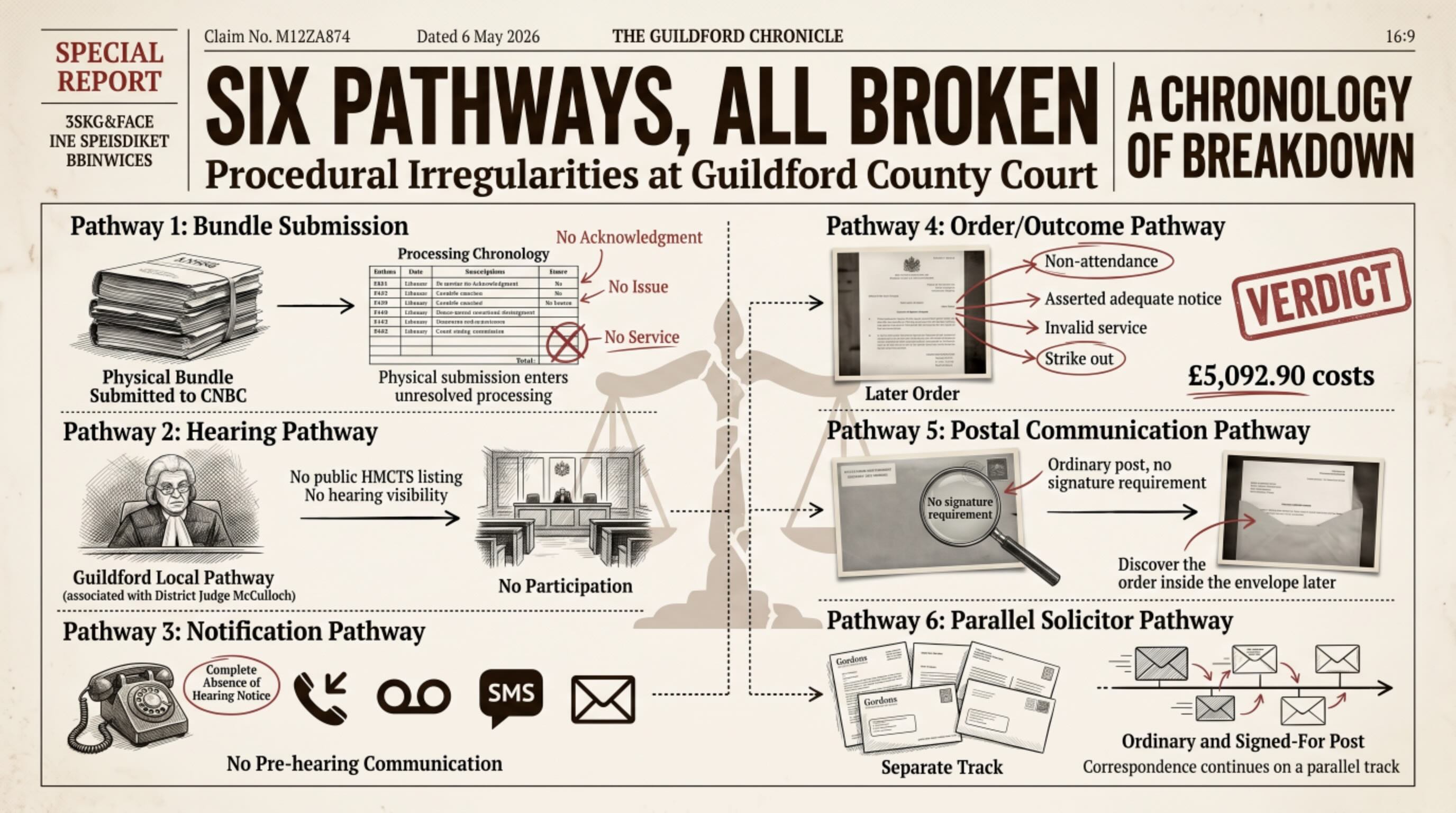
Figure 3. Six-Pathway Procedural Divergence Model Showing Breakdown Across Submission, Hearing, Notification, Outcome, Postal, and Solicitor Communication Chronologies in Claim M12ZA874.
This figure visualises six parallel procedural pathways emerging following physical bundle submission chronology and subsequent Guildford transfer chronology. The sequence records unresolved bundle processing chronology, absence of identified public HMCTS hearing listing chronology, absence of hearing visibility chronology, absence of identified notification chronology, later order chronology received through ordinary postal chronology, and continuing parallel solicitor communication chronology. The model illustrates divergence between expected procedural sequencing and observed chronology pathways, showing how submission chronology, hearing chronology, notification chronology, outcome chronology, postal chronology, and solicitor chronology ceased operating as a single linear pathway and instead fragmented into separate communication and procedural routes.
BREACH III – Participation, Access to Justice, Vulnerability, and Adjustment Pathway Divergence
Chronology Summary
25 Nov 2025 → transfer pathway initiated
Pre-hearing period → vulnerability history remains engaged
27 Apr 2026 → hearing activity occurs
6 May 2026 → non-attendance consequence recorded
The chronology records transfer pathway → vulnerability context → participation disruption → outcome sequence.
Breach III.I – Participation Pathway Failure
Summary
No identifiable participation pathway presently bridges hearing process and claimant participation.
Date Pathway
25 Nov 2025 → 27 Apr 2026
Evidence
EX01; EX04
Breach III.II – Access Pathway Absence
Summary
No identified procedural access pathway presently observable supporting informed attendance.
Date Pathway
Pre-hearing period
Evidence
Participation records
Breach III.III – Adjustment Pathway Divergence
Summary
No identified adjustment pathway presently visible within reviewed records.
Date Pathway
Pre-hearing period
Evidence
Medical history context
Breach III.IV – Vulnerability Accommodation Failure
Summary
Participation sequence presently appears disconnected from vulnerability context.
Date Pathway
Pre-hearing → hearing period
Evidence
Medical evidence history
Breach III.V – Communication Accessibility Failure
Summary
Communication pathway presently appears disconnected from accessibility requirements.
Date Pathway
Pre-hearing period
Evidence
Communication sequence
Breach III.VI – Attendance Pathway Disruption
Summary
Attendance consequence emerges after disputed participation sequence.
Date Pathway
27 Apr 2026 → 6 May 2026
Evidence
EX01
Breach III.VII – Participation Awareness Failure
Summary
Participation pathway presently appears disconnected from hearing awareness.
Date Pathway
Pre-hearing period
Evidence
EX01
Breach III.VIII – Equality Pathway Divergence
Summary
Participation sequence presently engages equality-related accessibility pathways.
Date Pathway
Entire chronology
Evidence
Medical evidence history
Breach III.IX – Access to Justice Disruption
Summary
Participation barriers presently affect procedural access sequence.
Date Pathway
25 Nov 2025 → 6 May 2026
Evidence
EX01; EX04
Breach III.X – Participation Continuity Failure
Summary
Participation nodes presently appear fragmented across procedural sequence.
Date Pathway
Entire chronology
Evidence
EX01
Temporal Mapping Table
| Date | Event | Evidence | Structural Position |
|---|---|---|---|
| 25 Nov 2025 | Transfer pathway | EX04 | Participation sequence start |
| Pre-hearing period | Vulnerability context | Medical history | Adjustment pathway |
| 27 Apr 2026 | Hearing activity | EX01 | Participation conflict |
| 6 May 2026 | Outcome | EX01 | Attendance consequence |
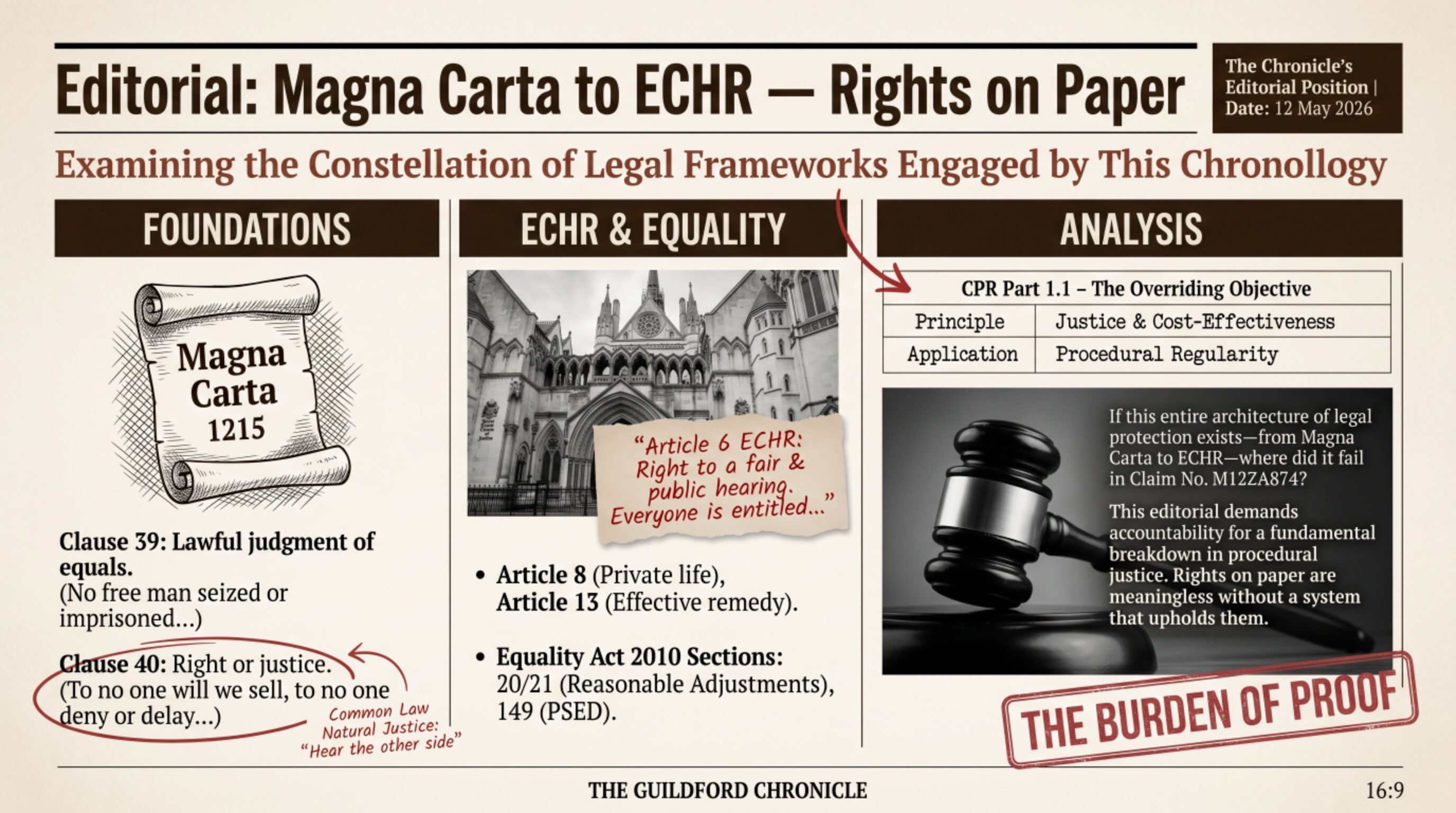
Figure 4. Constitutional Framework Escalation Model Showing Historical-to-Modern Legal Architecture Engaged by the Procedural Chronology in Claim M12ZA874.
This figure visualises the progression from foundational constitutional principles through modern equality and procedural frameworks engaged by the chronology under review. The model begins with Magna Carta Clauses 39 and 40 concerning lawful judgment, due process, and prohibition against denial or delay of justice, principles which remain foundational within modern constitutional architecture. The figure then maps these principles into modern rights frameworks including Article 6 (fair hearing), Article 8 (private life), Article 13 (effective remedy), Equality Act 2010 duties, and procedural obligations under CPR Part 1.1. The analysis section illustrates the relationship between constitutional protections existing in theory and the chronology under examination, specifically where notification chronology, hearing visibility chronology, participation chronology, and procedural regularity chronology are alleged to diverge from those protections.
Legal Frameworks Engaged
- Equality Act Sections 20, 21, 149
- Public Sector Equality Duty
- Article 6 ECHR
- Natural Justice
- Constitutional Access to Justice Principles
Exhibits
EX01
EX04
Medical evidence history
Supporting Disclosure Chain
- Medical Health Disclosure – Comprehensive Medical History
https://truthfarian.co.uk/public-disclosures-PIDA-whistleblowing/medical-health-disclosure-comprehensive-medical-history - Bath Road Hounslow GP Surgery Deletion of Live Patient Medical Record
https://truthfarian.co.uk/public-disclosures-PIDA-whistleblowing/bath-road-hounslow-gp-surgery-deletion-live-patient-medical - Medical Denial – Theale Surgery / DAC Beachcroft When Legal Defence Overrides Care
https://truthfarian.co.uk/public-disclosures-PIDA-whistleblowing/medical-denial-theale-surgery-dac-beachcroft-when-legal-defence-overrides-care
BREACH IV – Locality, Venue, and Accessible Participation Divergence
Chronology Summary
25 Nov 2025 → transfer into Guildford pathway recorded (EX04)
Pre-hearing period → locality and participation context remains active
27 Apr 2026 → hearing activity later identifiable
6 May 2026 → order pathway emerges
The chronology records transfer pathway → venue pathway → participation implications → later outcome pathway.
Breach IV.I – Venue Allocation Divergence
Summary
Guildford venue pathway emerges without identified locality continuity within reviewed records.
Date Pathway
25 Nov 2025 → 27 Apr 2026
Evidence
EX04; EX01
Breach IV.II – Locality Assessment Absence
Summary
No identified locality assessment pathway presently appears connecting venue selection and claimant location context.
Date Pathway
Pre-hearing period
Evidence
Venue records
Breach IV.III – Geographic Participation Divergence
Summary
Venue pathway presently appears disconnected from participation pathway.
Date Pathway
Transfer period → hearing period
Evidence
EX01
Breach IV.IV – Accessibility Pathway Failure
Summary
No identified accessibility sequence presently visible supporting venue suitability.
Date Pathway
Pre-hearing period
Evidence
Participation context
Breach IV.V – Venue Continuity Failure
Summary
Transfer pathway and venue pathway presently appear administratively separated.
Date Pathway
25 Nov 2025 → hearing period
Evidence
EX04
Breach IV.VI – Local Hearing Divergence
Summary
No identified local hearing sequence presently observable.
Date Pathway
Pre-hearing period
Evidence
Court pathway records
Breach IV.VII – Procedural Locality Disruption
Summary
Locality pathway presently appears fragmented from hearing pathway.
Date Pathway
Nov 2025 → May 2026
Evidence
EX01; EX04
Temporal Mapping Table
| Date | Event | Evidence | Structural Position |
|---|---|---|---|
| 25 Nov 2025 | Transfer pathway begins | EX04 | Venue transition |
| Pre-hearing | Venue allocation period | Court records | Locality review gap |
| 27 Apr 2026 | Hearing activity | EX01 | Venue execution |
| 6 May 2026 | Order recorded | EX01 | Outcome pathway |
Legal Frameworks Engaged
- Equality Act 2010
- Article 6 ECHR
- Common Law Natural Justice
- Constitutional Access Principles
- CPR Part 1.1
- Procedural Fairness Principles
Exhibits
EX01
EX04
Participation context records
Supporting Disclosure Chain
- Medical Health Disclosure – Comprehensive Medical History
https://truthfarian.co.uk/public-disclosures-PIDA-whistleblowing/medical-health-disclosure-comprehensive-medical-history - Bath Road Hounslow GP Surgery Deletion of Live Patient Medical Record
https://truthfarian.co.uk/public-disclosures-PIDA-whistleblowing/bath-road-hounslow-gp-surgery-deletion-live-patient-medical - Medical Denial – Theale Surgery / DAC Beachcroft When Legal Defence Overrides Care
https://truthfarian.co.uk/public-disclosures-PIDA-whistleblowing/medical-denial-theale-surgery-dac-beachcroft-when-legal-defence-overrides-care
BREACH V – Procedural Outcome, Invalid Service, Strike Out, and Summary Determination Divergence
Chronology Summary
27 Apr 2026 → hearing activity later identifiable
6 May 2026 → order issued
6 May 2026 onward → costs and disposal pathway emerge
The chronology records hearing pathway → attendance consequence → outcome pathway → financial consequence.
Breach V.I – Invalid Service Conflict
Summary
Order records proceedings not validly served whilst outcome pathway proceeds.
Date Pathway
Hearing period → order period
Evidence
EX01
Breach V.II – Strike Out Pathway Divergence
Summary
Strike out sequence emerges following disputed service and participation pathways.
Date Pathway
27 Apr 2026 → 6 May 2026
Evidence
EX01
Breach V.III – Summary Determination Divergence
Summary
Outcome pathway emerges through summary disposal sequence.
Date Pathway
6 May 2026
Evidence
EX01
Breach V.IV – Attendance Consequence Conflict
Summary
Non-attendance consequences emerge within disputed awareness chronology.
Date Pathway
27 Apr 2026 → 6 May 2026
Evidence
EX01
Breach V.V – Adequate Notice Conflict
Summary
Order records adequate notice assertions despite disputed awareness sequence.
Date Pathway
Pre-hearing → outcome period
Evidence
EX01
Breach V.VI – Outcome Continuity Failure
Summary
Outcome pathway presently appears separated from earlier procedural continuity.
Date Pathway
Nov 2025 → May 2026
Evidence
EX01; EX04
Temporal Mapping Table
| Date | Event | Evidence | Structural Position |
|---|---|---|---|
| 27 Apr 2026 | Hearing activity | EX01 | Procedural stage |
| 6 May 2026 | Order issued | EX01 | Outcome stage |
| 6 May 2026 onward | Costs pathway | EX01 | Consequence stage |
Legal Frameworks Engaged
- CPR Part 6
- CPR Part 1.1
- Article 6 ECHR
- Natural Justice Principles
- Magna Carta Clauses 39–40
Exhibits
EX01
Disputed notice record
Disputed participation record
Supporting Disclosure Chain
- CNBC Failure to Respond Within Reasonable Time
https://truthfarian.co.uk/public-disclosures-PIDA-whistleblowing/cnbc-failure-respond-within-reasonable-time - Gordons Partnership Solicitors LLP Procedural Default and Absence of Defence
https://truthfarian.co.uk/public-disclosures-PIDA-whistleblowing/gordons-partnership-solicitors-llp-procedural-default-and-absence-of-defence - Gordons Partnership Solicitors LLP Pending CNBC Bundle Submission and Procedural Divergence
https://truthfarian.co.uk/public-disclosures-PIDA-whistleblowing/gordons-partnership-solicitors-llp-pending-cnbc-bundle - SRA No Case Signal vs CNBC Continuation Regulatory Dismissal
https://truthfarian.co.uk/public-disclosures-PIDA-whistleblowing/sra-no-case-signal-vs-cnbc-continuation-regulatory-dismissal
BREACH VI – Court, Postal, Solicitor, and Parallel Communication Pathway Divergence
Chronology Summary
11 May 2026 → postal communication pathway
26 May 2026 → solicitor correspondence pathway
Post-order period → parallel pathways observable
The chronology records court pathway → solicitor pathway → parallel communication sequence.
Breach VI.I – Parallel Communication Pathways
Summary
Multiple communication routes presently operate concurrently rather than sequentially.
Date Pathway
Post-hearing period
Evidence
EX02; EX03
Breach VI.II – Court Communication Divergence
Summary
Court correspondence pathway emerges separately from hearing awareness sequence.
Date Pathway
Post-order period
Evidence
EX02
Breach VI.III – Solicitor Communication Divergence
Summary
Solicitor communication pathway emerges independently from court pathway.
Date Pathway
11–26 May 2026
Evidence
EX03
Breach VI.IV – Delivery Pathway Fragmentation
Summary
Ordinary post, signed-for routes, and refusals create fragmented delivery sequence.
Date Pathway
May 2026
Evidence
EX03
Breach VI.V – Communication Continuity Failure
Summary
No single communication pathway presently explains awareness sequence.
Date Pathway
Entire chronology
Evidence
EX02; EX03
Temporal Mapping Table
| Date | Event | Evidence | Structural Position |
|---|---|---|---|
| 11 May 2026 | Postal pathway | EX02 | Court communication |
| 11–26 May 2026 | Solicitor correspondence | EX03 | Parallel pathway |
| Post-order period | Fragmentation observable | EX02; EX03 | Divergence |
Legal Frameworks Engaged
- CPR Part 6
- Article 6 ECHR
- Natural Justice
- Procedural Fairness Principles
- Administrative Fairness Principles
Exhibits
EX02
EX03
Supporting Disclosure Chain
- Gordons Partnership Solicitors LLP Unopened Correspondence
https://truthfarian.co.uk/public-disclosures-PIDA-whistleblowing/gordons-partnership-solicitors-llp-unopened-correspondence - Gordons Partnership Solicitors LLP Pending CNBC Bundle Submission and Procedural Divergence
https://truthfarian.co.uk/public-disclosures-PIDA-whistleblowing/gordons-partnership-solicitors-llp-pending-cnbc-bundle - Gordons Partnership Solicitors LLP Procedural Default and Absence of Defence
https://truthfarian.co.uk/public-disclosures-PIDA-whistleblowing/gordons-partnership-solicitors-llp-procedural-default-and-absence-of-defence
BREACH VII – Costs and Financial Consequence Divergence
Chronology Summary
27 Apr 2026 → hearing activity
6 May 2026 → costs recorded
Post-order period → financial consequence pathway
Breach VII.I – Costs Pathway Divergence
Summary
Financial consequence pathway emerges following disputed participation sequence.
Date Pathway
27 Apr 2026 → 6 May 2026
Evidence
EX01
Breach VII.II – Financial Consequence Continuity Failure
Summary
Financial outcome pathway presently appears separated from earlier procedural disputes.
Date Pathway
Outcome period
Evidence
EX01
Breach VII.III – Cost Attribution Conflict
Summary
Costs sequence emerges despite invalid service findings within same record.
Date Pathway
6 May 2026
Evidence
EX01
Temporal Mapping Table
| Date | Event | Evidence | Structural Position |
|---|---|---|---|
| 27 Apr 2026 | Hearing activity | EX01 | Procedural stage |
| 6 May 2026 | Costs recorded | EX01 | Financial consequence |
Legal Frameworks Engaged
- CPR Part 44
- Senior Courts Act 1981 s51
- Article 6 ECHR
- Natural Justice Principles
Exhibits
EX01
Supporting Disclosure Chain
- CNBC Failure to Respond Within Reasonable Time
https://truthfarian.co.uk/public-disclosures-PIDA-whistleblowing/cnbc-failure-respond-within-reasonable-time - Gordons Partnership Solicitors LLP Procedural Default and Absence of Defence
https://truthfarian.co.uk/public-disclosures-PIDA-whistleblowing/gordons-partnership-solicitors-llp-procedural-default-and-absence-of-defence - SRA No Case Signal vs CNBC Continuation Regulatory Dismissal
https://truthfarian.co.uk/public-disclosures-PIDA-whistleblowing/sra-no-case-signal-vs-cnbc-continuation-regulatory-dismissal
BREACH VIII – Record Integrity, Retrospective Reconstruction, and Chronological Continuity Divergence
Chronology Summary
25 Nov 2025 → transfer sequence
23 Feb 2026 → submission sequence
27 Apr 2026 → hearing sequence
6 May 2026 onward → retrospective reconstruction sequence
The chronology records separated records requiring reconstruction across multiple pathways.
Breach VIII.I – Record Fragmentation
Summary
Procedural sequence presently exists across separated records rather than continuous pathway.
Date Pathway
Nov 2025 → May 2026
Evidence
EX01–EX04
Breach VIII.II – Retrospective Reconstruction Dependency
Summary
Awareness sequence presently depends on reconstruction activity.
Date Pathway
27 Apr 2026 onward
Evidence
EX01
Breach VIII.III – Chronology Continuity Failure
Summary
Multiple procedural stages presently require external reconstruction.
Date Pathway
Entire chronology
Evidence
EX01–EX04
Breach VIII.IV – Evidence Pathway Fragmentation
Summary
Evidence pathways presently operate across separate documentary routes.
Date Pathway
Entire chronology
Evidence
EX01–EX04
Breach VIII.V – Structural Continuity Failure
Summary
Observed sequence presently appears fragmented across multiple administrative nodes.
Date Pathway
25 Nov 2025 → 6 May 2026
Evidence
EX01–EX04
Temporal Mapping Table
| Date | Event | Evidence | Structural Position |
|---|---|---|---|
| 25 Nov 2025 | Transfer | EX04 | Beginning pathway |
| 23 Feb 2026 | Submission | Submission records | Administrative stage |
| 27 Apr 2026 | Hearing | EX01 | Retrospective node |
| 6 May 2026 | Order | EX01 | Outcome node |
Legal Frameworks Engaged
- Article 6 ECHR
- Natural Justice
- Procedural Regularity Principles
- Administrative Fairness Principles
- CPR Part 1.1
- Record Integrity Principles
Exhibits
EX01
EX02
EX03
EX04
Supporting Disclosure Chain
- Bath Road Hounslow GP Surgery Deletion of Live Patient Medical Record
https://truthfarian.co.uk/public-disclosures-PIDA-whistleblowing/bath-road-hounslow-gp-surgery-deletion-live-patient-medical - CNBC Failure to Respond Within Reasonable Time
https://truthfarian.co.uk/public-disclosures-PIDA-whistleblowing/cnbc-failure-respond-within-reasonable-time - Gordons Partnership Solicitors LLP Pending CNBC Bundle Submission and Procedural Divergence
https://truthfarian.co.uk/public-disclosures-PIDA-whistleblowing/gordons-partnership-solicitors-llp-pending-cnbc-bundle - Gordons Partnership Solicitors LLP Procedural Default and Absence of Defence
https://truthfarian.co.uk/public-disclosures-PIDA-whistleblowing/gordons-partnership-solicitors-llp-procedural-default-and-absence-of-defence - Gordons Partnership Solicitors LLP Unopened Correspondence
https://truthfarian.co.uk/public-disclosures-PIDA-whistleblowing/gordons-partnership-solicitors-llp-unopened-correspondence - Medical Denial – Theale Surgery / DAC Beachcroft When Legal Defence Overrides Care
https://truthfarian.co.uk/public-disclosures-PIDA-whistleblowing/medical-denial-theale-surgery-dac-beachcroft-when-legal-defence-overrides-care - Medical Health Disclosure – Comprehensive Medical History
https://truthfarian.co.uk/public-disclosures-PIDA-whistleblowing/medical-health-disclosure-comprehensive-medical-history - SRA No Case Signal vs CNBC Continuation Regulatory Dismissal
https://truthfarian.co.uk/public-disclosures-PIDA-whistleblowing/sra-no-case-signal-vs-cnbc-continuation-regulatory-dismissal
Breach List
I. Failure to provide identified hearing notice process; II. Failure to provide identified hearing notification process; III. Failure to provide identified hearing visibility; IV. Failure to provide identified public HMCTS hearing listing; V. Failure to provide identified participation process prior to hearing process; VI. Failure to provide identified locality verification; VII. Failure to provide identified local hearing process relative to claimant locality; VIII. Failure to provide identified venue suitability; IX. Failure to provide identified telephone; X. Failure to provide identified missed-call; XI. Failure to provide identified voicemail; XII. Failure to provide identified SMS; XIII. Failure to provide identified email notification record; XIV. Failure to provide identified communication process prior to hearing process; XV. Failure to provide identified acknowledgment record; XVI. Failure to provide identified issue record; XVII. Failure to provide identified service process; XVIII. Failure to provide identified continuity between CNBC and Guildford; XIX. Transfer divergence between anticipated hearing notification process and later hearing awareness record; XX. Hearing later identified through order record rather than contemporaneous; XXI. Divergence between hearing process and hearing awareness record; XXII. Divergence between notification record and participation process; XXIII. Divergence between court communication process and solicitor communication process; XXIV. Divergence between submission record and later hearing process; XXV. Divergence between unresolved CNBC and later Guildford; XXVI. Procedural fragmentation between communication processs; XXVII. Parallel communication process operating simultaneously; XXVIII. Hearing identified retrospectively through later order record; XXIX. Procedural disposal following disputed participation process; XXX. Asserted notice process conflicting with disputed hearing awareness record; XXXI. Invalid service process conflicting with disposal; XXXII. Costs arising following disputed procedure; XXXIII. Ordinary postal replacing contemporaneous communication process; XXXIV. Absence of identified signature within court postal; XXXV. Venue divergence relative to participation process; XXXVI. Breakdown in chronological continuity between transfer process, notification record, participation process, communication process, and outcome.
Legal Frameworks
I. Magna Carta 1215 — Clauses 39 and 40
Verbatim
“No free man shall be seized or imprisoned, or stripped of his rights or possessions, or outlawed or exiled… except by the lawful judgment of his equals or by the law of the land.”
“To no one will we sell, to no one deny or delay right or justice.”
Analysis
EX04 records transfer activity into Guildford County Court, physical submission records evidence filing activity on 23 February 2026, and EX01 later records hearing activity and disposal activity. Between these stages, the evidence sequence presently records no identifiable pathway connecting:
- submission activity
- acknowledgment activity
- issue activity
- service activity
- hearing activity
The framework is engaged because lawful process protections become relevant where participation pathways, notice pathways, and procedural continuity remain disputed within the observable evidence sequence.
II. Common Law — Natural Justice (Audi Alteram Partem)
Verbatim
“Hear the other side.”
Analysis
EX01 records non-attendance together with asserted notice sufficiency whilst the evidence sequence records:
- disputed hearing awareness activity
- absence of identified hearing notice activity
- fragmented communication pathways
- disputed participation pathways
The framework is engaged because the evidence sequence raises participation concerns regarding opportunity to know, respond, and participate before disposal activity occurred.
III. Constitutional Principle — Access to Justice
Verbatim
Access to justice requires practical and effective access to judicial processes rather than theoretical access alone.
Analysis
The evidence sequence records hearing activity emerging through Guildford County Court despite evidence of:
- vulnerability disclosures
- locality concerns
- disputed participation pathways
- absence of identifiable access mechanisms before hearing activity
Access concerns therefore arise from observable participation barriers rather than theoretical availability of court processes.
IV. Constitutional Principle — Procedural Fairness
Verbatim
Procedural decision-making should remain transparent, fair, and participatory.
Analysis
Hearing awareness emerges through later order activity rather than through identifiable pathways involving:
- hearing notice activity
- public listing activity
- communication activity
- participation activity
The framework is engaged because transparency, participation, and procedural consistency concerns arise from the evidence pathway itself.
V. Constitutional Principle — Legitimate Expectation
Verbatim
Public authorities should act consistently with procedural expectations created through their own processes and representations.
Analysis
EX04 transfer wording records anticipated future hearing notification activity. Later evidence records disputed hearing awareness together with absence of identifiable notification activity.
Observable pathway:
- Transfer activity (EX04)
unresolved processing activity - retrospective hearing awareness
- later order activity (EX01)
The framework is engaged because the evidence sequence diverges from the procedural pathway anticipated within earlier documentation.
VI. Constitutional Principle — Open Justice
Verbatim
Justice should ordinarily operate transparently and remain visible to affected parties.
Analysis
The evidence sequence records:
- absence of identified HMCTS public listing activity
- retrospective hearing awareness activity
- disputed hearing visibility pathways
- fragmented awareness pathways
Transparency concerns therefore arise directly from the hearing visibility pathway.
VII. Rule of Law Principles
Verbatim
Public power should be exercised lawfully, predictably, and consistently.
Analysis
The evidence records fragmented procedural stages rather than one observable sequence:
- Transfer activity
submission activity - unresolved processing activity
- hearing activity
- later outcome activity
The framework is engaged because predictability, consistency, and procedural administration concerns emerge from the observable pathway.
VIII. Human Rights Act 1998
Verbatim
“An Act to give further effect to rights and freedoms guaranteed under the Convention.”
Analysis
The evidence sequence engages multiple Convention-linked activities including:
- hearing participation pathways
- communication pathways
- vulnerability evidence
- remedy pathways
- wider supporting disclosures involving medical evidence
Convention rights therefore become engaged through the wider procedural sequence evidenced across disclosures.
IX. Article 6 ECHR — Right to a Fair Hearing
Verbatim
“Everyone is entitled to a fair and public hearing within a reasonable time by an independent and impartial tribunal established by law.”
Analysis
EX01 records:
- hearing activity
- non-attendance activity
- asserted notice sufficiency
- invalid service findings
- disposal activity
Whilst the evidence sequence simultaneously records disputed participation pathways, disputed awareness pathways, and fragmented communication pathways.
Fair hearing protections are therefore directly connected to the observable evidence sequence.
X. Article 8 ECHR — Right to Private and Family Life
Verbatim
“Everyone has the right to respect for his private and family life, his home and his correspondence.”
Analysis
The wider disclosure chain incorporates:
- medical evidence pathways
- GP evidence pathways
- vulnerability disclosures
- correspondence pathways
- supporting disclosure records
Privacy and correspondence protections therefore remain connected to the wider evidence sequence rather than solely the hearing pathway.
XI. Article 13 ECHR — Effective Remedy
Verbatim
“Everyone whose rights and freedoms… are violated shall have an effective remedy before a national authority.”
Analysis
The evidence records unresolved processing activity, disputed hearing awareness pathways, disputed participation pathways, and later outcome activity following fragmented procedural activity. Remedy protections are therefore engaged because observable records show unresolved procedural disputes continuing into disposal activity.
XII. Equality Act 2010 — Section 20
Verbatim
“Where a provision, criterion or practice… puts a disabled person at a substantial disadvantage… reasonable steps must be taken to avoid the disadvantage.”
Analysis
Participation pathways, communication pathways, venue pathways, and adjustment pathways remain connected to vulnerability evidence and previously disclosed medical evidence.
Evidence sequence:
- vulnerability evidence
- participation barriers
- hearing activity
- non-attendance activity
Accessibility obligations are therefore engaged where participation pathways appear fragmented.
XIII. Equality Act 2010 — Section 21
Verbatim
“A failure to comply with the duty to make reasonable adjustments constitutes discrimination.”
Analysis
The evidence sequence records disputed participation pathways together with absence of identifiable communication pathways supporting attendance activity. Accessibility and adjustment concerns therefore remain connected to observable participation failures.
XIV. Equality Act 2010 — Section 149
Verbatim
“A public authority must, in the exercise of its functions, have due regard to the need to eliminate discrimination…”
Analysis
Previously disclosed vulnerability evidence, participation evidence, and venue evidence remain connected to hearing activity and communication pathways. Public authority equality obligations are therefore engaged through participation management and accessibility activity.
XV. Public Sector Equality Duty
Verbatim
Duty to eliminate discrimination, advance equality of opportunity, and foster good relations.
Analysis
Venue pathways, communication pathways, participation pathways, and vulnerability evidence remain interconnected across the wider disclosure chain. Equality duties are therefore engaged because participation activity appears disconnected from accessibility pathways.
XVI. Administrative Fairness Principles
Verbatim
Administrative decision-making should remain fair, rational, transparent, and procedurally proper.
Analysis
Administrative activity presently records divergence between:
- transfer activity (EX04)
- submission activity
- unresolved processing activity
- retrospective hearing awareness
- later order activity (EX01)
Administrative fairness concerns therefore arise from fragmentation between stages rather than one observable sequence.
XVII. Procedural Regularity Principles
Verbatim
Procedures should operate consistently with published and expected process.
Analysis
EX04 records transfer activity into Guildford County Court, physical submission occurred on 23 February 2026, hearing activity later appears through EX01, and no identified acknowledgment, issue, or continuity pathway presently bridges these stages. The evidence sequence therefore raises procedural continuity and process consistency concerns.
XVIII. Public Authority Duties
Verbatim
Public authorities must act lawfully, rationally, proportionately, and within powers granted by law.
Analysis
The evidence records fragmented transfer pathways, communication pathways, hearing pathways, and venue pathways across CNBC and Guildford County Court processes. Public authority functions are therefore engaged through administration, hearing management, communication activity, and case progression activity.
XIX. Duty to Give Reasons
Verbatim
Administrative and judicial decisions should be sufficiently reasoned to permit understanding and challenge.
Analysis
EX01 records:
- strike out activity
- costs activity
- asserted notice sufficiency
- non-attendance activity
despite disputed service pathways and disputed hearing awareness pathways. Decision transparency and explanation duties are therefore engaged.
XX. CPR Part 1.1 — Overriding Objective
Verbatim
“These Rules are a procedural code with the overriding objective of enabling the court to deal with cases justly and at proportionate cost.”
Analysis
The evidence records:
- unresolved processing activity
- fragmented communication pathways
- retrospective hearing awareness
- later disposal activity
Fairness, participation, and proportional case management obligations are therefore engaged through the procedural sequence.
XXI. CPR Part 3 — Court Case Management Powers
Verbatim
Court powers concerning case management and procedural control.
Analysis
Movement from transfer activity through unresolved processing activity into later hearing activity indicates case management functions operating across disconnected stages.
Transfer activity
- unresolved processing
- hearing activity
- disposal activity
Case progression functions are therefore engaged across multiple procedural stages.
XXII. CPR Part 6 — Service
Verbatim
Rules governing valid service pathways.
Analysis
EX01 records proceedings noted as not validly served whilst notice pathways, communication pathways, and hearing awareness pathways remain disputed. Service obligations are therefore directly engaged within the evidence sequence.
XXIII. CPR Part 7 Rule 7.2 — Proceedings Started Upon Issue
Verbatim
“Proceedings are started when the court issues a claim form.”
Analysis
Physical submission activity on 23 February 2026 is followed by unresolved processing activity, absence of identifiable issue activity, and later hearing activity.
Submission activity
- unresolved processing
- later hearing activity
The evidence therefore records divergence between filing activity and observable issue progression.
XXIV. CPR Part 23 — Applications
Verbatim
Rules governing applications and application procedures.
Analysis
Application activity and hearing activity emerge after fragmented participation pathways and unresolved procedural activity. Procedural application pathways therefore remain connected to the wider evidence sequence.
XXV. CPR Part 44 — Costs
Verbatim
Rules governing costs powers and assessment.
Analysis
EX01 records costs activity of £5,092.90 following:
submission activity
- unresolved processing
- disputed awareness activity
- hearing activity
- disposal activity
Costs activity therefore emerges from procedural stages already disputed within the evidence chain.
XXVI. Senior Courts Act 1981 — Section 51
Verbatim
“Costs of and incidental to proceedings shall be in the discretion of the court.”
Analysis
Costs activity recorded in EX01 follows hearing activity, disputed participation pathways, disputed notice pathways, and disputed service pathways. Judicial cost powers are therefore engaged through the disputed procedural sequence.
XXVII. UK GDPR
Verbatim
“Personal data shall be processed lawfully, fairly and in a transparent manner.”
Analysis
Supporting disclosures involving medical evidence, GP evidence, vulnerability evidence, and communication records remain connected to the wider disclosure chain. Information processing and record management activity therefore remain engaged.
XXVIII. Data Protection Act 2018
Verbatim
Framework governing lawful processing and protection of personal data.
Analysis
Medical evidence pathways, GP evidence pathways, vulnerability evidence, and supporting disclosures remain interconnected throughout the wider disclosure chain. Data processing obligations therefore remain connected to the evidence sequence.
XXIX. Common Law Duty of Confidentiality
Verbatim
Confidential information should not be disclosed or interfered with without lawful basis or justification.
Analysis
Previously disclosed GP evidence, medical evidence, and supporting disclosures remain connected to correspondence pathways and vulnerability evidence across the disclosure chain. Confidentiality obligations therefore remain engaged through the observable evidence sequence..
XXX. NHS Records Management Principles
Verbatim
Health records should remain accurate, accessible, retrievable, and properly managed.
Analysis
Supporting disclosures concerning medical evidence, GP evidence, and record evidence remain connected to vulnerability evidence and participation evidence referenced throughout the wider pathway. Record integrity obligations therefore remain engaged.
XXXI. Caldicott Principles
Verbatim
Patient information use should be justified, necessary, proportionate, and protected.
Analysis
Medical evidence, confidentiality evidence, vulnerability evidence, and supporting disclosures remain connected through the wider disclosure sequence. Information handling and proportionality concerns therefore remain engaged.
XXXII. Universal Declaration of Human Rights — Article 7
Verbatim
“All are equal before the law and are entitled without any discrimination to equal protection of the law.”
Analysis
The evidence sequence records divergence between expected procedural activity and observed activity across:
submission activity
- unresolved processing activity
- hearing activity
- later outcome activity
Equal treatment and procedural consistency concerns therefore arise from the observable pathway.
XXXIII. Universal Declaration of Human Rights — Article 8
Verbatim
“Everyone has the right to an effective remedy by the competent national tribunals for acts violating the fundamental rights granted him by the constitution or by law.”
Analysis
The evidence records unresolved CNBC activity followed by hearing activity, later order activity, disputed participation pathways, and disputed awareness pathways. Remedy protections therefore remain connected to unresolved procedural activity.
XXXIV. Universal Declaration of Human Rights — Article 10
Verbatim
“Everyone is entitled in full equality to a fair and public hearing by an independent and impartial tribunal.”
Analysis
Hearing visibility pathways, participation pathways, notice pathways, and venue pathways remain disputed across the evidence sequence. Fair hearing protections are therefore directly engaged.
XXXV. Universal Declaration of Human Rights — Article 12
Verbatim
“No one shall be subjected to arbitrary interference with his privacy, family, home or correspondence.”
Analysis
Previously disclosed GP evidence, medical evidence, correspondence evidence, and vulnerability evidence remain connected through wider disclosure pathways. Privacy protections therefore remain connected to the wider evidence sequence.
XXXVI. International Covenant on Civil and Political Rights — Article 2
Verbatim
“Any person whose rights or freedoms are violated shall have an effective remedy.”
Analysis
The evidence dispute concerns remedy pathways, unresolved processing pathways, communication pathways, and fragmented procedural activity. Effective remedy protections therefore remain engaged through the evidence sequence.
XXXVII. International Covenant on Civil and Political Rights — Article 14
Verbatim
“All persons shall be equal before the courts and tribunals.”
Analysis
EX01 records hearing activity, non-attendance activity, asserted notice sufficiency, and disposal activity whilst participation pathways, hearing awareness pathways, service pathways, and visibility pathways remain disputed.
Evidence sequence:
- submission activity
- unresolved processing activity
- hearing activity
- retrospective awareness activity
- disposal activity
Equality before courts and tribunal protections are therefore directly connected to the observable evidence sequence.
XXXVIII. International Covenant on Civil and Political Rights — Article 17
Verbatim
“No one shall be subjected to arbitrary or unlawful interference with his privacy…”
Analysis
Previously disclosed GP evidence, medical evidence, correspondence pathways, and supporting disclosures remain interconnected within the wider disclosure chain.
The evidence sequence engages:
- medical evidence pathways
- correspondence pathways
- supporting disclosure pathways
- vulnerability evidence pathways
Privacy protections therefore remain connected to the wider evidence structure.
XXXIX. International Covenant on Civil and Political Rights — Article 26
Verbatim
“All persons are equal before the law and are entitled without discrimination to equal protection of the law.”
Analysis
The evidence records fragmented procedural pathways and fragmented communication pathways operating across multiple disconnected stages.
Observable pathway:
Transfer activity
→ submission activity
→ unresolved processing activity
→ hearing activity
→ outcome activity
Equal treatment protections are therefore engaged because procedural progression appears inconsistent across observable stages.
XL. International Covenant on Economic, Social and Cultural Rights — Article 12
Verbatim
“The States Parties… recognize the right of everyone to the enjoyment of the highest attainable standard of physical and mental health.”
Analysis
Previously disclosed medical evidence, vulnerability evidence, participation barriers, and GP-related disclosures remain connected to hearing participation and communication pathways.
The evidence sequence records:
- vulnerability evidence
- participation concerns
- hearing activity
- later procedural outcome activity
Health protections therefore remain connected to the wider evidence chain.
XLI. UN Convention on the Rights of Persons with Disabilities — Article 5
Verbatim
“States Parties prohibit all discrimination on the basis of disability.”
Analysis
Vulnerability evidence, participation pathways, accessibility pathways, and communication pathways remain interconnected throughout the evidence sequence.
Observable concerns include:
- participation barriers
- communication barriers
- hearing attendance barriers
- accessibility concerns
Disability equality protections are therefore engaged through participation activity.
XLII. UN Convention on the Rights of Persons with Disabilities — Article 9
Verbatim
“To enable persons with disabilities to live independently and participate fully in all aspects of life…”
Analysis
Participation pathways and venue pathways remain disputed within the evidence sequence.
The evidence records:
- disputed participation activity
- fragmented communication pathways
- absence of identifiable access mechanisms
- hearing activity occurring despite accessibility concerns
Accessibility protections are therefore connected to hearing participation pathways.
XLIII. UN Convention on the Rights of Persons with Disabilities — Article 12
Verbatim
“Equal recognition before the law.”
Analysis
Procedural activity engages participation rights, legal recognition rights, and participation pathways through observable barriers recorded within the evidence sequence.
Observable pathway:
vulnerability evidence
- participation concerns
- hearing activity
- disposal activity
Equal recognition protections therefore remain connected to the wider procedural sequence.
XLIV. UN Convention on the Rights of Persons with Disabilities — Article 13
Verbatim
“States Parties shall ensure effective access to justice for persons with disabilities…”
Analysis
EX01 records hearing activity and non-attendance whilst supporting evidence records vulnerability concerns, participation concerns, communication concerns, and accessibility concerns.
The evidence sequence therefore engages:
- participation pathways
- hearing pathways
- venue pathways
- accessibility pathways
Access-to-justice protections are therefore directly connected to observable hearing participation activity.
XLV. UN Basic Principles on the Independence of the Judiciary
Verbatim
“The judiciary shall decide matters before them impartially…”
Analysis
The evidence sequence records hearing activity, disposal activity, retrospective awareness pathways, and fragmented procedural pathways across multiple stages.
Observable pathway:
transfer activity
unresolved processing activity
- hearing activity
- retrospective awareness activity
- disposal activity
Judicial process protections are therefore engaged because procedural visibility and participation remain disputed.
XLVI. UN Basic Principles on Access to Justice for Persons with Disabilities
Verbatim
Persons with disabilities should have equal and effective access to justice systems.
Analysis
Vulnerability evidence, participation barriers, venue pathways, communication pathways, and hearing pathways remain interconnected throughout the evidence sequence.
The evidence records:
- accessibility concerns
- communication concerns
- participation concerns
- hearing attendance concerns
Access-to-justice protections for disabled participants are therefore engaged through the observable participation pathway.
Structural Pattern
The disclosed sequence records procedural process divergence across procedural, communication process, hearing process, notification record, participation process, and outcome. Review identifies fragmentation across submission record, transfer process, hearing process, communication process, and later order record rather than a single observable procedural process.
Submission Pathway Sequence
| Component | Recorded Position | Structural Position |
|---|---|---|
| Submission | CNBC recorded | Unresolved processing |
| Acknowledgment | No identified acknowledgment record | Continuity absent |
| Issue | No identified issue record | Processing incomplete |
| Service | No identified service process | Procedural sequence divergence |
| Transfer | Later Guildford identified | Intermediate absent |
Hearing Pathway Sequence
| Component | Recorded Position | Structural Position |
|---|---|---|
| Hearing process | Guildford process only | Local process divergence |
| Hearing | Associated with District Judge McCulloch | Later identified retrospectively |
| Public visibility | No identified HMCTS listing | Visibility divergence |
| Participation | No identified participation process | Participation divergence |
| Locality | No identified local hearing process | Venue divergence |
Notification Pathway Sequence
| Component | Recorded Position | Structural Position |
|---|---|---|
| Hearing notice process | No identified hearing notice process | Notification divergence |
| Telephone | No identified telephone | Communication divergence |
| No identified email | Communication divergence | |
| SMS | No identified SMS | Communication divergence |
| Communication | No identified communication process before hearing process | Awareness divergence |
Order / Outcome Pathway Sequence
| Component | Recorded Position | Structural Position |
|---|---|---|
| Order | Later order record identified | Retrospective |
| Attendance | Non-attendance recorded | Participation conflict |
| Notice | Adequate notice process asserted | Awareness conflict |
| Service | Proceedings recorded as not validly served | Service divergence |
| Costs | £5,092.90 recorded | Outcome divergence |
Communication Pathway Sequence
| Component | Recorded Position | Structural Position |
|---|---|---|
| Court process | Ordinary postal | Separate communication process |
| Signature | No identified signature | Delivery divergence |
| Solicitor process | Ordinary correspondence | Parallel process |
| Signed-for | Signed-for correspondence | Separate delivery |
| Pathway continuity | Multiple communication routes | Fragmented communication process |
Observed Structural Divergence
- submission record progressing into unresolved processing
- unresolved processing progressing into later Guildford
- hearing process emerging through retrospective rather than visible
- notification record fragmented from participation process
- court and solicitor operating through separate processs
- procedural emerging through fragmented rather than unified processs
Exhibits Table
| Exhibit | Evidence | Description | Relevance |
| EX01 | General Form of Judgment or Order | Order dated 6 May 2026 recording hearing process, strike out, invalid service findings, summary determination, and costs assessment. | Core document recording later order record and outcome. |
| EX02 | Court envelope photograph | Court correspondence envelope associated with later order record received following hearing process and delivered through ordinary postal process. | Establishes separate court communication process and ordinary postal. |
| EX03 | Gordons envelope photographs | Gordons correspondence photographs dated 11 May 2026 and 26 May 2026 showing ordinary letterbox delivery and separate signed-for correspondence including refused delivery. | Establishes separate solicitor communication processs, physical delivery, signed-for correspondence, and refused delivery. |
| EX04 | Notice of Transfer of Proceedings | CNBC transfer notice dated 25 November 2025 transferring proceedings to Guildford County Court and recording hearing notification wording. | Evidences transfer process, anticipated hearing notification process, and later notification divergence. |
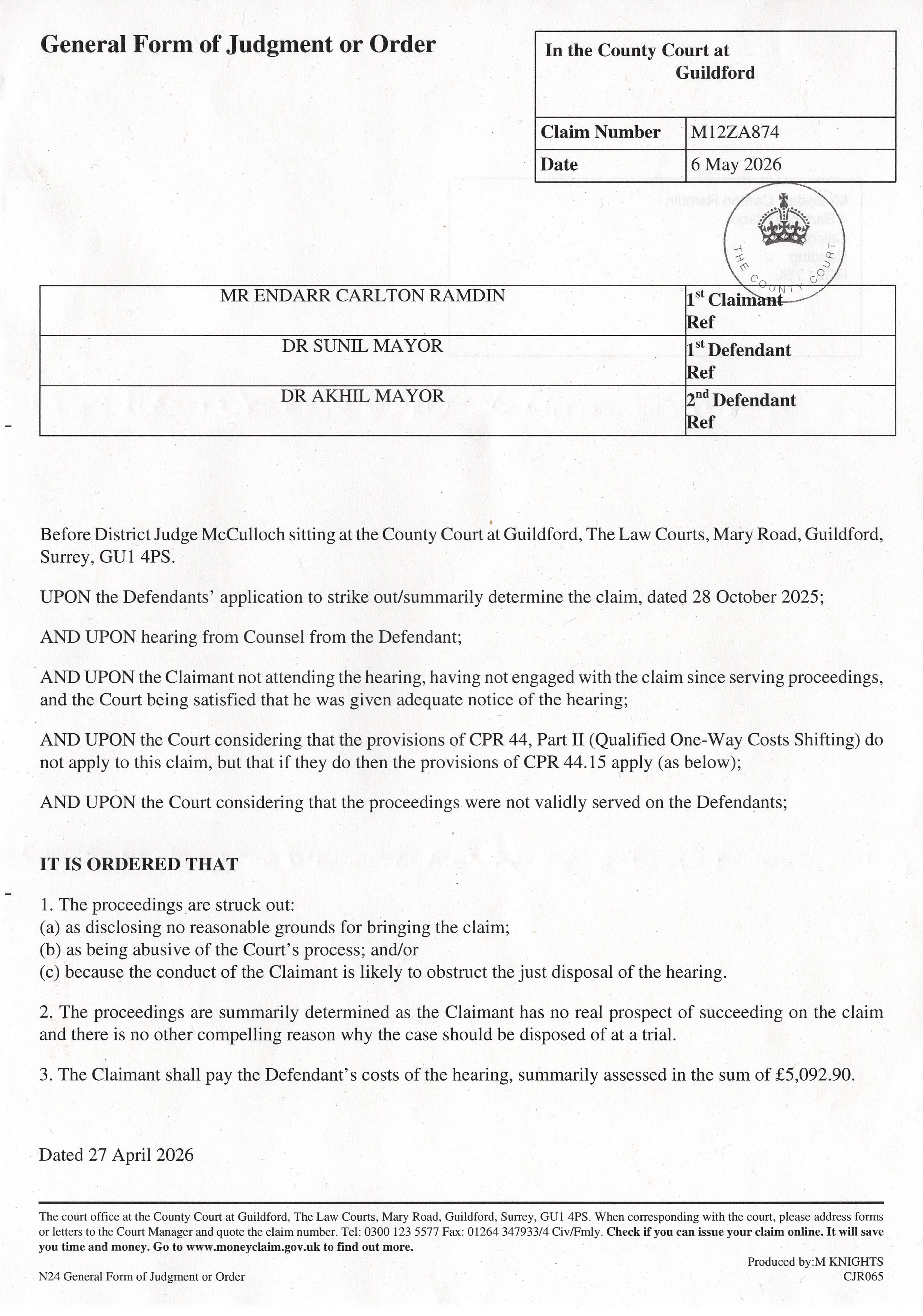
EX01 – General Form of Judgment or Order
Order dated 6 May 2026 recording hearing process, strike out, invalid service findings, summary determination, and costs assessment. Core document recording later order record and outcome.

EX02 – Court envelope photograph
Court correspondence envelope associated with later order record received following hearing process and delivered through ordinary postal process. Establishes separate court communication process and ordinary postal.


EX03 – Gordons envelope photographs
Gordons correspondence photographs dated 11 May 2026 and 26 May 2026 showing ordinary letterbox delivery and separate signed-for correspondence including refused delivery. Establishes separate solicitor communication processs, physical delivery, signed-for correspondence, and refused delivery.

EX04 – Notice of Transfer of Proceedings
CNBC transfer notice dated 25 November 2025 transferring proceedings to Guildford County Court and recording hearing notification wording. Evidences transfer process, anticipated hearing notification process, and later notification divergence.
Continuity With Existing Disclosures
- Bath Road Hounslow GP Surgery Deletion of Live Patient Medical Record
https://truthfarian.co.uk/public-disclosures-PIDA-whistleblowing/bath-road-hounslow-gp-surgery-deletion-live-patient-medical - CNBC Failure to Respond Within Reasonable Time
https://truthfarian.co.uk/public-disclosures-PIDA-whistleblowing/cnbc-failure-respond-within-reasonable-time - Gordons Partnership Solicitors LLP Pending CNBC Bundle Submission and Procedural Divergence
https://truthfarian.co.uk/public-disclosures-PIDA-whistleblowing/gordons-partnership-solicitors-llp-pending-cnbc-bundle - Gordons Partnership Solicitors LLP Procedural Default and Absence of Defence
https://truthfarian.co.uk/public-disclosures-PIDA-whistleblowing/gordons-partnership-solicitors-llp-procedural-default-and-absence-of-defence - Gordons Partnership Solicitors LLP Unopened Correspondence
https://truthfarian.co.uk/public-disclosures-PIDA-whistleblowing/gordons-partnership-solicitors-llp-unopened-correspondence - Medical Denial – Theale Surgery / DAC Beachcroft When Legal Defence Overrides Care
https://truthfarian.co.uk/public-disclosures-PIDA-whistleblowing/medical-denial-theale-surgery-dac-beachcroft-when-legal-defence-overrides-care - Medical Health Disclosure – Comprehensive Medical History
https://truthfarian.co.uk/public-disclosures-PIDA-whistleblowing/medical-health-disclosure-comprehensive-medical-history - SRA No Case Signal vs CNBC Continuation Regulatory Dismissal
https://truthfarian.co.uk/public-disclosures-PIDA-whistleblowing/sra-no-case-signal-vs-cnbc-continuation-regulatory-dismissal
Structural Impact Formula
The Structural Impact Score ($SIS$) is defined as:
$SIS = \left( w_P + w_C + w_D + w_T + w_V + w_R + w_I + w_{SC} \right)\left( 1 + \lambda \cdot 28 \right)$
Where:
- $P$ = Procedural Breakdown
- $C$ = Court Administrative Capture
- $D$ = Defence / Counterparty Interference
- $T$ = Tribunal / Welfare Disruption
- $V$ = Vulnerability Amplifier
- $R$ = Rights / Regulatory Misstatement
- $I$ = Institutional Interlock
- $SC$ = Structural Conflict
The interaction multiplier $\left(1 + \lambda \cdot 28\right)$ reflects $\binom{8}{2} = 28$ co-occurring structural interaction pairs.
Structural Impact Result
Activated Structural Variables:
$P = 1,\; C = 1,\; D = 1,\; T = 1,\; V = 1,\; R = 1,\; I = 1,\; SC = 1$
Interaction Pair Count: $\binom{8}{2} = 28$ distinct co-occurring structural interaction pairs.
Resolved Structural Impact Score:
$SIS = \left( w_P + w_C + w_D + w_T + w_V + w_R + w_I + w_{SC} \right)\left( 1 + \lambda \cdot 28 \right)$
The disclosure records concurrent activation across procedural pathway divergence, disputed hearing visibility, disputed notice chronology, parallel communication pathways, participation disruption, vulnerability chronology, court-processing divergence, solicitor-side continuation, and post-outcome procedural contradiction.
Structural Impact Result
Activated Structural Variables:
$P = 1,\; C = 1,\; D = 1,\; T = 1,\; V = 1,\; R = 1,\; I = 1,\; SC = 1$
Interaction Pair Count: $\binom{8}{2} = 28$ distinct co-occurring structural interaction pairs.
Resolved Structural Impact Score:
$SIS = \left( w_P + w_C + w_D + w_T + w_V + w_R + w_I + w_{SC} \right)\left( 1 + \lambda \cdot 28 \right)$
The disclosure records concurrent activation across procedural pathway divergence, disputed hearing visibility, disputed notice chronology, parallel communication pathways, participation disruption, vulnerability chronology, court-processing divergence, solicitor-side continuation, and post-outcome procedural contradiction.
The observable sequence records movement from unresolved CNBC chronology into Guildford hearing chronology, followed by later order chronology and costs consequences despite disputed participation, disputed notice chronology, and separate communication pathways operating simultaneously.