
Safeguarding & Vulnerability Law
This section contains public-interest disclosures involving failures by public bodies, healthcare providers, landlords, councils, employers, safeguarding teams and other duty-holders to protect vulnerable individuals from harm. Matters placed here include failures to assess risk, failures to respond to disclosures of danger, denial of support to individuals with medical or psychological vulnerabilities, improper handling of safeguarding referrals, neglect of statutory duties owed to at-risk adults, and conduct that exposes or aggravates physical, emotional, or procedural harm. Each disclosure sets out the evidential record, statutory framework and safeguarding failures that have placed a vulnerable person at risk.
1. Statutory Duties Toward Vulnerable Adults and Children
I. Care Act 2014 — Sections 42–46 (Adult Safeguarding, Duty to Enquire, Duty to Protect)
Disclosures frequently involve local authorities failing to make enquiries where an adult is at risk of abuse or neglect, despite receiving credible information indicating danger. Section 42 imposes a mandatory duty to act; omissions that leave the individual exposed to harm constitute statutory failure.
II. Children Act 1989 / 2004 — Welfare and Protection Duties
Matters also involve failures to assess or respond when a child may be suffering or likely to suffer significant harm. Authorities are required to act promptly and proportionately; delays, dismissals or non-recording of safeguarding concerns breach these duties.
2. Healthcare Vulnerability, Clinical Risk and Access to Care
I. NHS Constitution / Health and Social Care Act 2008 — Duty to Provide Safe and Appropriate Care
Disclosures include failures by medical providers to recognise vulnerability, ignore clinical risk indicators, deny necessary treatment, or obstruct access to care for individuals in crisis. Such conduct may breach statutory duties to provide safe, person-centred care.
II. Equality Act 2010 — Section 20 (Reasonable Adjustments for Disability)
Many matters include the failure of healthcare or welfare bodies to adapt processes for individuals with disabilities or medical vulnerabilities. Failure to adjust communication, assessment procedures, timelines or service access places the individual at further risk and breaches statutory obligations.
3. Welfare, Housing and Institutional Duty of Care
I. Housing Act 1996 — Vulnerability in Homelessness and Suitability Assessments
Disclosures in this category involve councils failing to consider vulnerability when assessing homelessness or accommodation suitability. Omissions such as ignoring medical evidence, mental-health risks or safeguarding information can render decisions unlawful.
II. Welfare Agencies and the Duty to Prevent Harm
Some matters involve benefit agencies or support bodies failing to identify or respond to risk indicators, escalating behaviour, or threats to safety. Administrative inaction that exposes a vulnerable claimant to material harm forms part of this class.
4. Failure to Respond, Retaliation, and Harm Through Neglect
I. Public Sector Equality Duty — Equality Act 2010, Section 149
Disclosures include decisions made without proper regard to vulnerability, disability or risk factors. Section 149 requires authorities to consider the impact of their decisions on at-risk individuals; omissions may amount to discriminatory or neglectful practice.
II. Safeguarding Misconduct — Non-Action, Dismissal or Suppression of Risk Reports
Matters also include ignored safeguarding referrals, failure to log reports, refusal to assess, or retaliatory conduct against individuals who report risk. Such behaviour undermines safeguarding frameworks and places vulnerable people in direct danger.
All Disclosure Cases Listed
Reading County Court, A nexus of procedural breakdown, lost filings, and judicial inconsistency across multiple Deputy District Judges.
-
Image
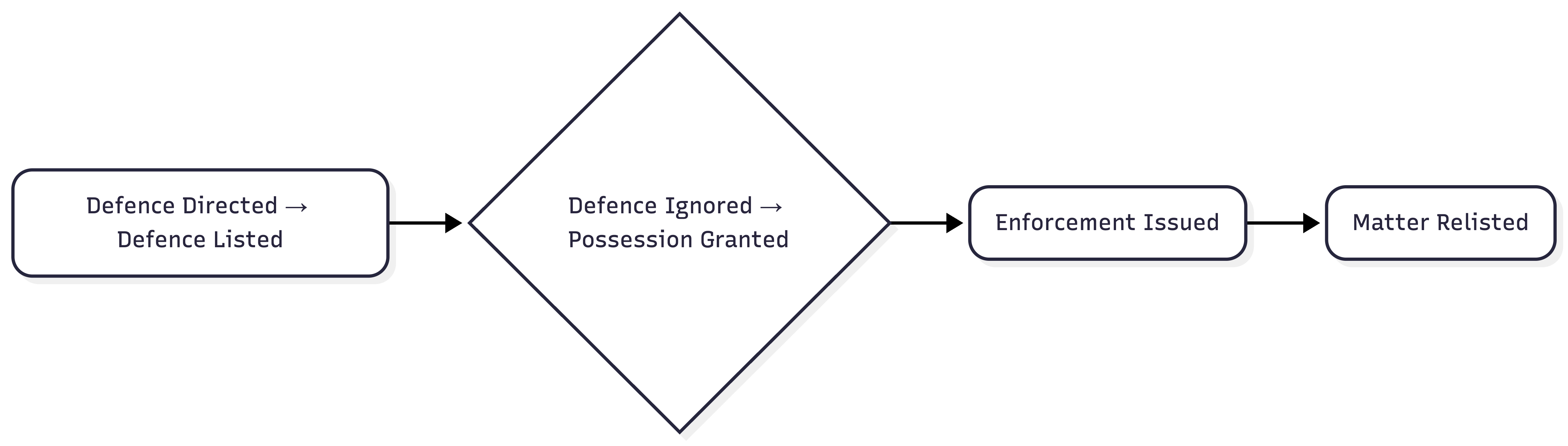
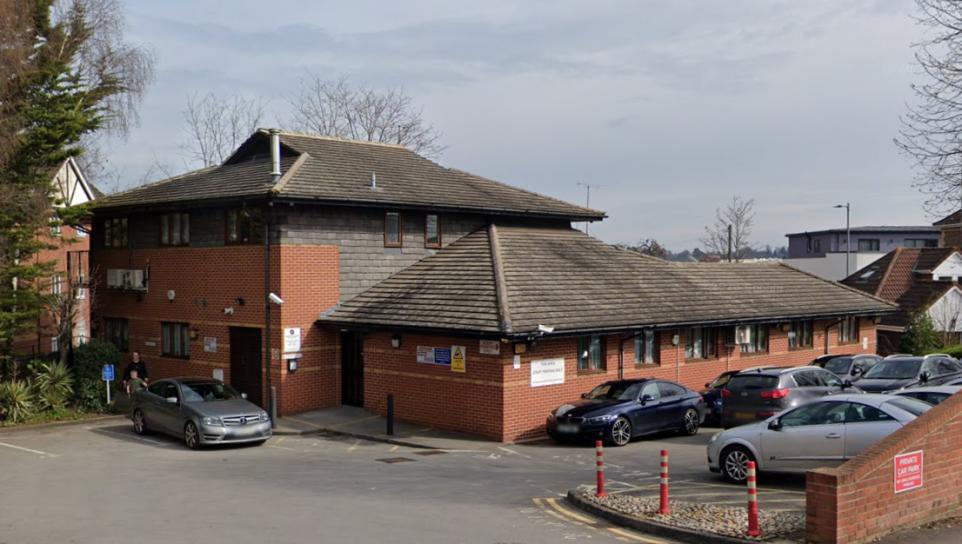
Theale Surgery, where clinical duty met the shadow of its own defence firm, DAC Beachcroft LLP.
-
Image
DWP / Universal Credit headquarters site of unresolved welfare-administration breaches.
-
Image

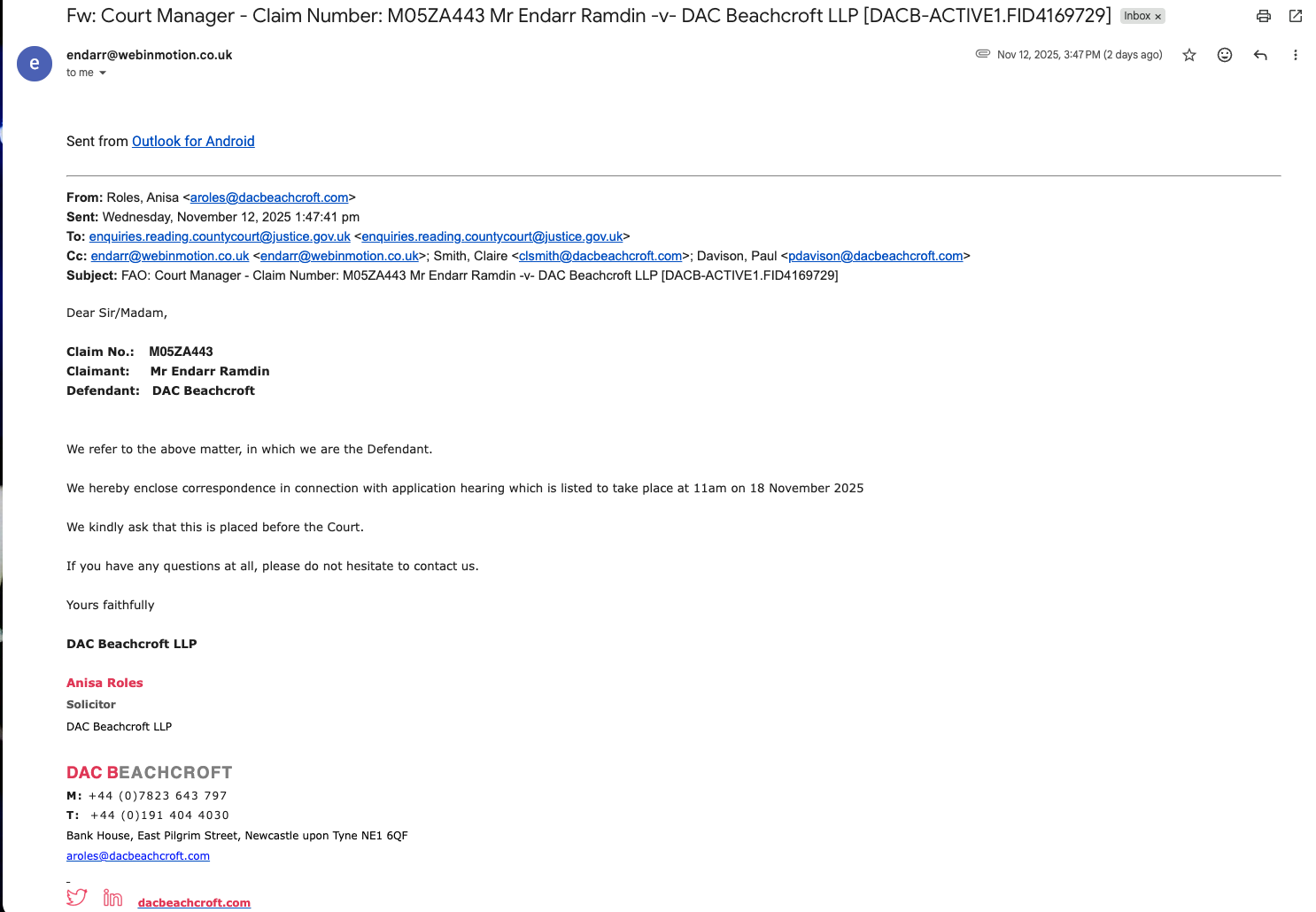
Service by unapproved channel during active proceedings a departure from rule-based process.
-
Image
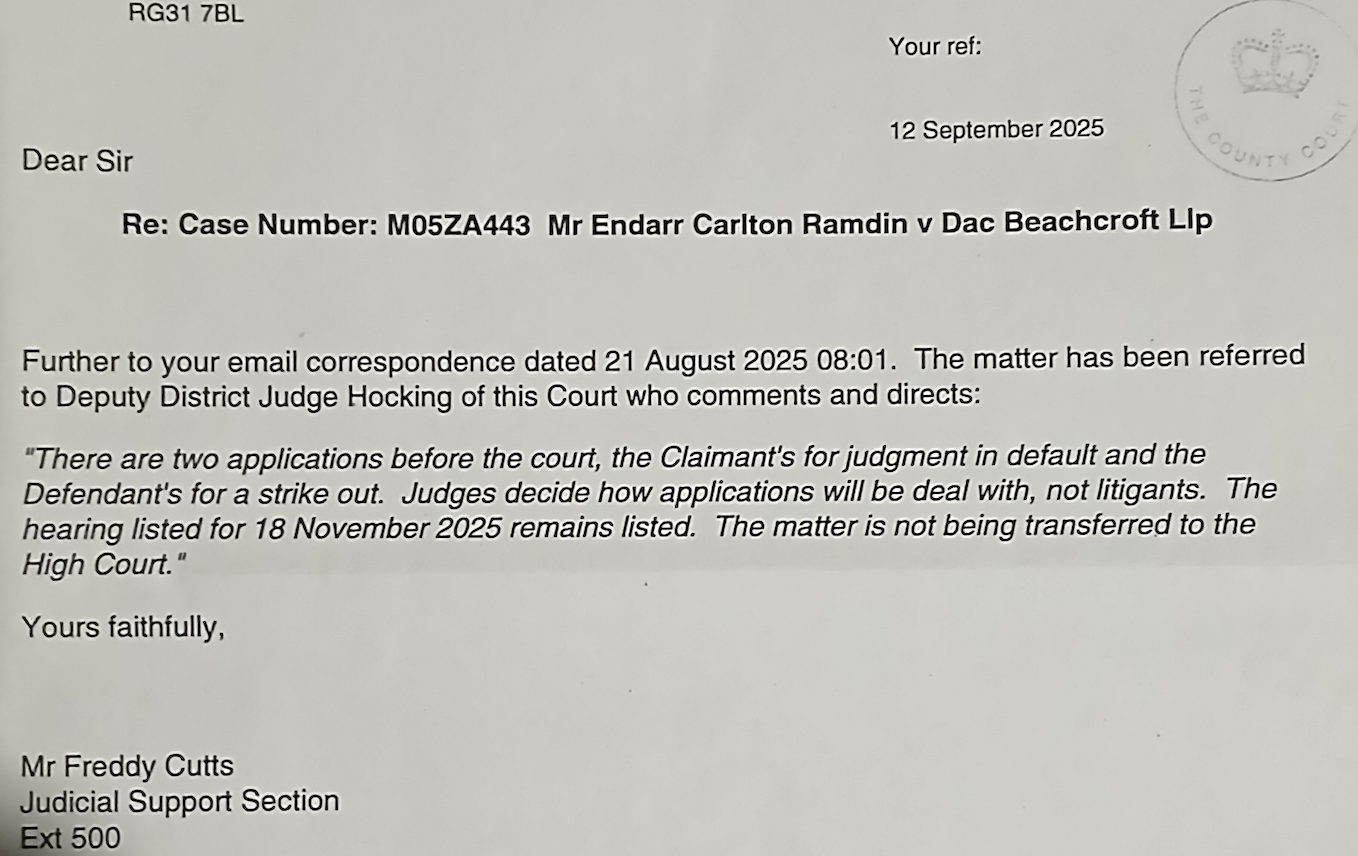
Judicial correspondence diverging from the Civil Procedure Rules before adjudication has begun.
-
Image
A skeleton argument served into a silent court — evidence of procedural interference layered on top of judicial freeze.
-
Image