
Human Rights Law
This section contains public-interest disclosures involving breaches of fundamental rights protected under the Human Rights Act 1998 and the European Convention on Human Rights, including interferences with fair-hearing rights, privacy, correspondence, family life, equality before the law, and access to remedy. Matters placed here document procedural obstruction, discriminatory treatment, misuse of authority, suppression of evidence, administrative paralysis, and conduct by public bodies or private actors performing public functions that has materially interfered with the practical enjoyment of Convention rights. Each disclosure includes the factual chronology, documentary record, statutory framework and rights-based analysis identifying the violation.
1. Fair Hearing, Judicial Process and Access to Justice
I. Human Rights Act 1998 — Article 6 (Right to a Fair Trial)
Disclosures in this category commonly involve failures by courts, tribunals or public authorities to provide timely, impartial and procedurally consistent handling of cases. Article 6 protects the right to a fair and public hearing within a reasonable time; administrative silence, unrecorded communications, and inconsistent procedural steps undermine this right.
II. Human Rights Act 1998 — Article 13 (Right to an Effective Remedy)
Matters frequently include situations where individuals are denied access to a proper remedy due to procedural barriers, unacknowledged applications, incorrect decisions, or failure to engage statutory duties. Article 13 requires the existence of a mechanism capable of addressing the violation.
2. Privacy, Correspondence and Family Life
I. Human Rights Act 1998 — Article 8 (Private and Family Life, Home and Correspondence)
Disclosures placed in this section often involve interference with private information, mishandling of correspondence, disclosure of personal data without lawful basis, or failures in safeguarding the individual’s right to dignity and family life. Public bodies must justify any interference as lawful, necessary and proportionate; omissions or unjustified actions breach Article 8.
II. Data and Communication Failures as Article 8 Interference
Incorrect record-keeping, unlogged judicial letters, disclosure of personal data, or suppression of information may constitute unlawful interference where they affect the individual’s privacy or ability to manage their affairs.
3. Equality, Non-Discrimination and Vulnerability
I. Human Rights Act 1998 — Article 14 (Prohibition of Discrimination)
Many disclosures include evidence of discriminatory treatment by public authorities, service providers or courts. Article 14 prohibits discrimination in the enjoyment of Convention rights. Failures to consider vulnerability, disability or equality implications may place decision-making in breach of this duty.
II. Public Functions and Human Rights Application
Bodies performing functions of a public nature are bound by the Human Rights Act. Disclosures include failures by councils, healthcare providers, welfare authorities and contractors to act compatibly with Convention rights in their decision-making and record-keeping.
4. Retaliation, Intimidation and Suppression of Rights
I. Public Interest Disclosure Act 1998 — Protection from Detriment
Some disclosures involve retaliatory actions against individuals raising concerns about systemic failure. Although primarily a whistleblowing statute, detriment following protected disclosures may also engage Convention rights where the retaliation affects fair process, safety or personal autonomy.
II. Criminal or Administrative Conduct Undermining Rights
Intimidation by correspondence, misuse of official authority, false representations of procedural status, or conduct designed to silence or pressure an individual may amount to unlawful interference with protected rights and is documented accordingly.
All Disclosure Cases Listed
Reading County Court, A nexus of procedural breakdown, lost filings, and judicial inconsistency across multiple Deputy District Judges.
-
Image
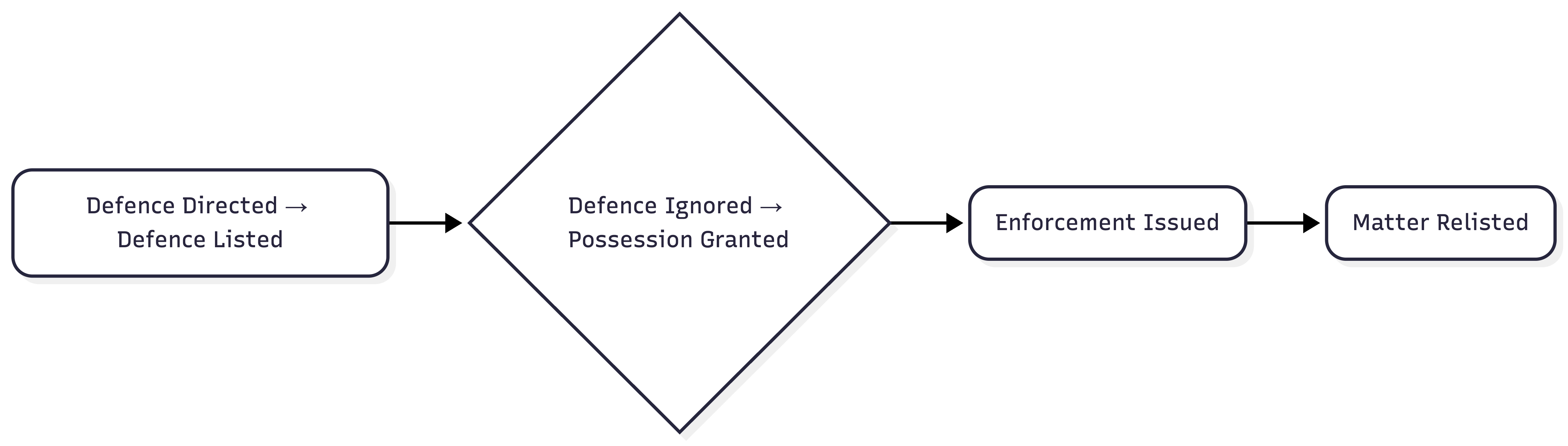
Embedded across NHS, insurers, and public-sector contracts, DAC Beachcroft’s dual role blurs state and commerce, turning governance itself into a client.
-
Image

Theale Surgery, where clinical duty met the shadow of its own defence firm, DAC Beachcroft LLP.
-
Image

From landlord misrepresentation to judicial neglect — a closed civic circuit of fraud and verification failure.
-
Image
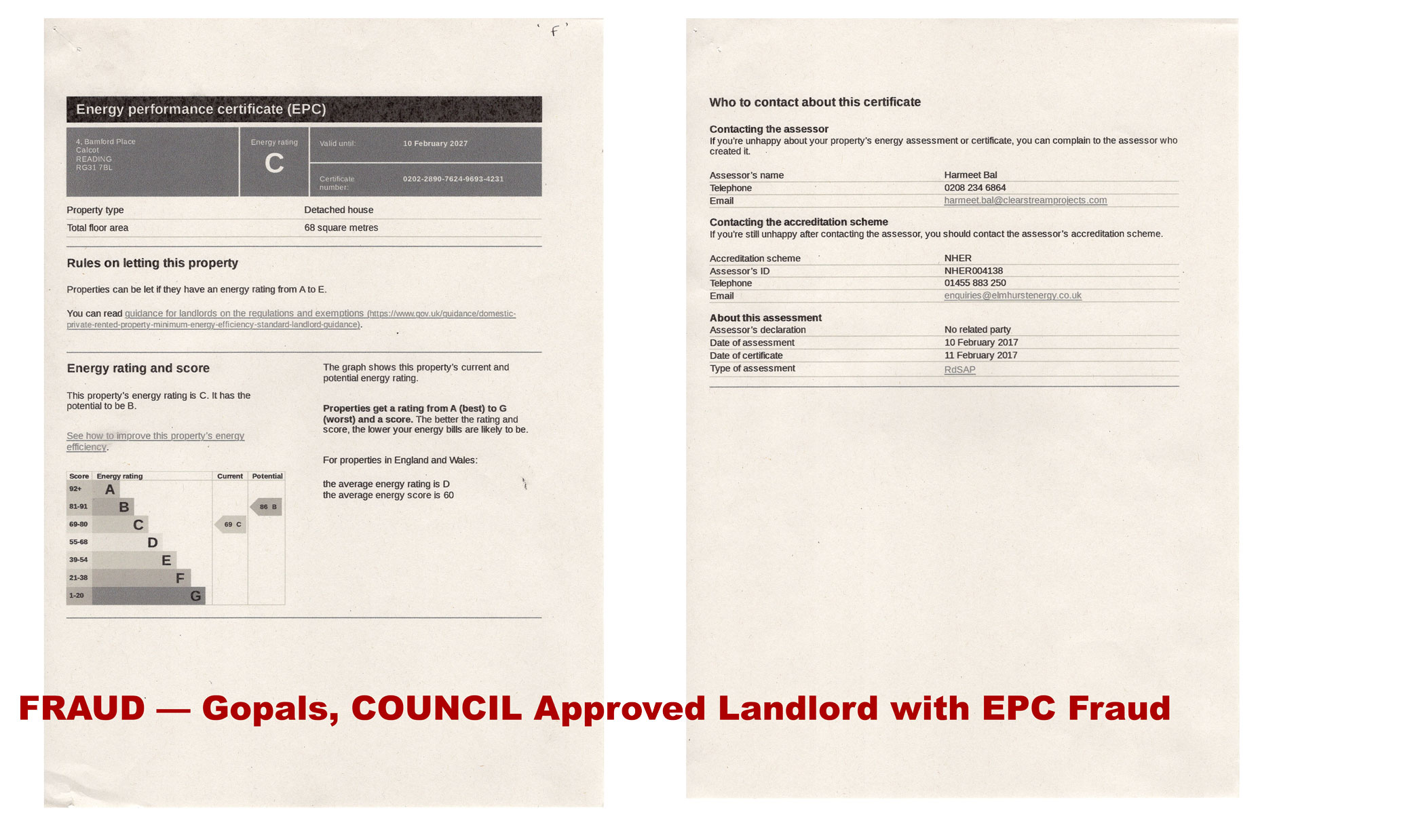
DWP / Universal Credit headquarters site of unresolved welfare-administration breaches.
-
Image

Service by unapproved channel during active proceedings a departure from rule-based process.
-
Image
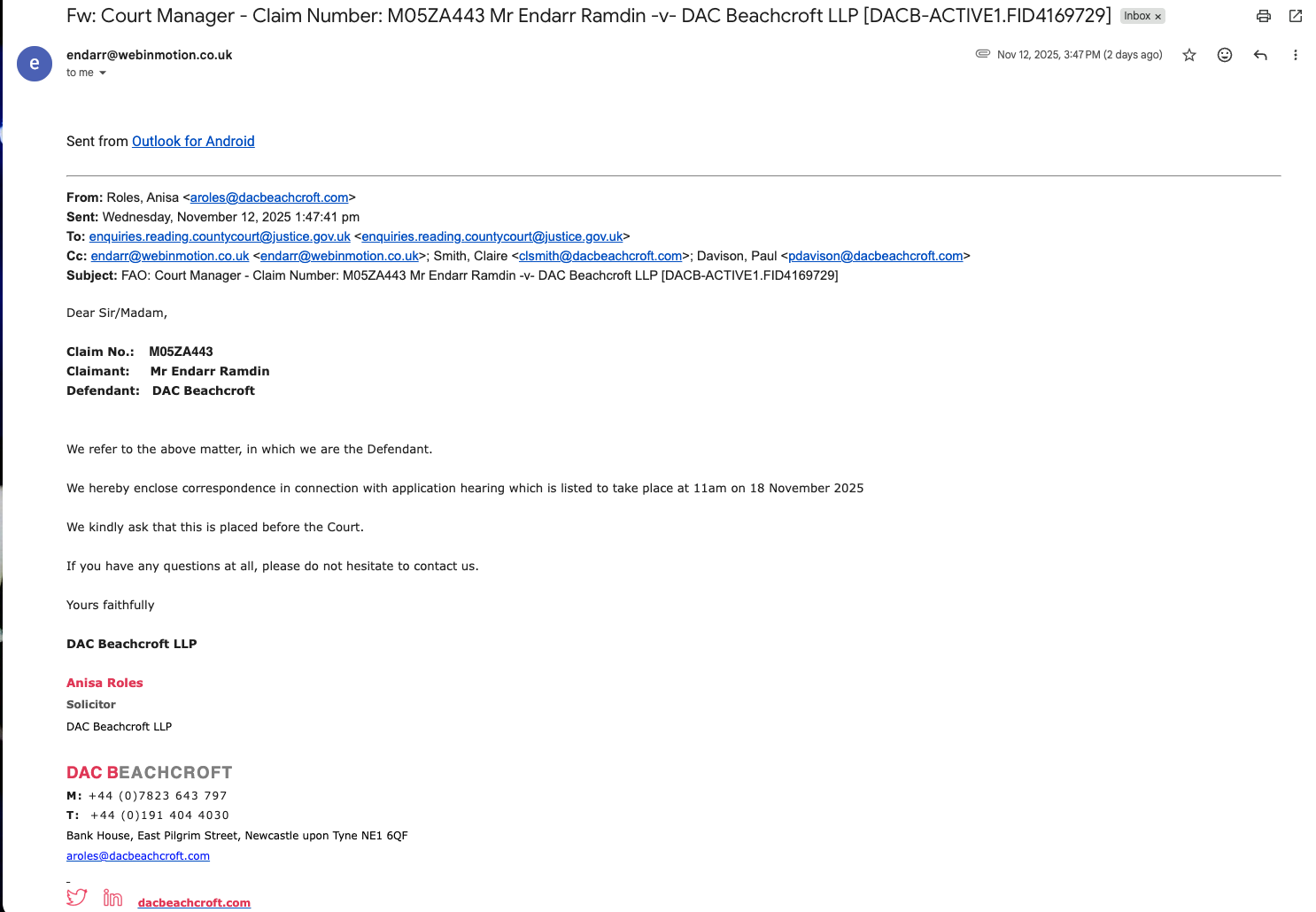
Judicial correspondence diverging from the Civil Procedure Rules before adjudication has begun.
-
Image
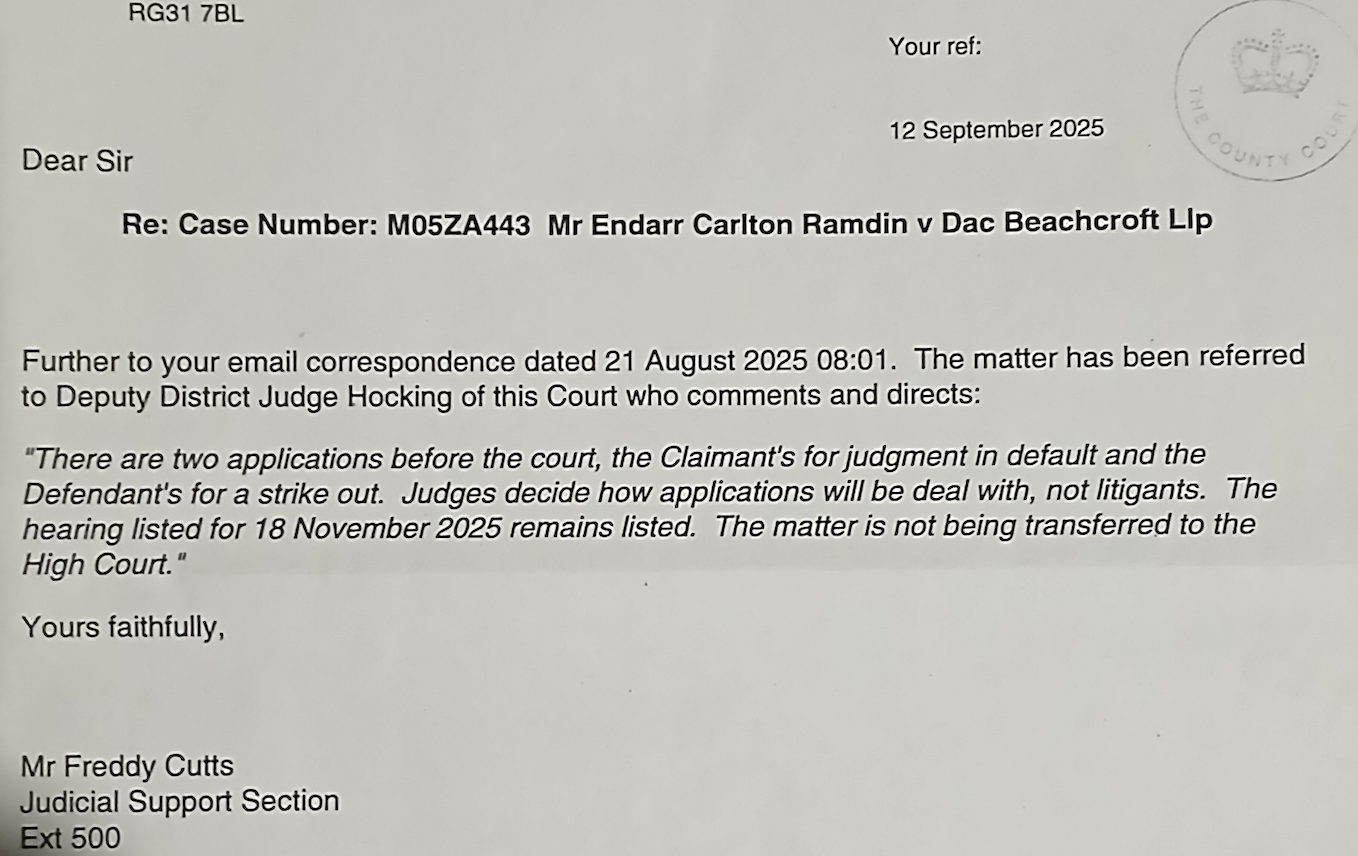
A skeleton argument served into a silent court — evidence of procedural interference layered on top of judicial freeze.
-
Image