
Health & Safety Law
Health & Safety Law
This section contains public-interest disclosures involving failures by employers, landlords, public bodies, contractors, healthcare providers and other duty-holders to comply with statutory obligations relating to health, safety, and welfare. Matters placed here include unsafe working conditions, risk-assessment failures, exposure to hazards, defective equipment, breaches of workplace duties, environmental dangers, and omissions that place individuals at risk of serious harm. Each disclosure records the factual chronology, evidential documents, statutory framework and legal breaches that underpin the health-and-safety concerns raised.
1. General Duties of Employers, Landlords and Duty-Holders
I. Health and Safety at Work etc. Act 1974 — Sections 2 and 3
Disclosures within this category frequently involve employers or duty-holders failing to ensure, so far as is reasonably practicable, the health, safety and welfare of employees (Section 2) and non-employees affected by their operations (Section 3). Failures may include inadequate supervision, unsafe systems of work, unaddressed hazards, or omissions that expose individuals to foreseeable risk.
II. Management of Health and Safety at Work Regulations 1999 — Regulation 3 (Risk Assessment)
Many matters arise from an absence of suitable and sufficient risk assessments, failure to identify hazards, or failure to implement control measures following known issues. Regulation 3 imposes a legal requirement to assess and manage risks proactively; omissions constitute a breach of statutory duty.
2. Hazard Exposure, Premises Safety and Environmental Risks
I. Workplace (Health, Safety and Welfare) Regulations 1992 — Maintenance, Ventilation, Temperature
Cases in this section involve defective premises conditions, such as poor ventilation, inadequate temperature regulation, and failure to maintain workplace equipment or facilities. These conditions breach the standards required for safe working environments.
II. Personal Protective Equipment at Work Regulations 1992 / 2022
Disclosures also involve employers failing to provide, maintain or correctly specify personal protective equipment. Where risks are known and PPE is not supplied or is inadequate, duty-holders breach both statutory and common-law obligations.
3. Incident Handling, Reporting Failures and Enforcement Duties
I. Reporting of Injuries, Diseases and Dangerous Occurrences Regulations 2013 (RIDDOR)
Matters within this category frequently involve failures to report notifiable injuries, illnesses or dangerous occurrences. RIDDOR imposes mandatory reporting duties; failure to notify regulators obstructs oversight and may constitute an offence.
II. Regulatory Enforcement Failures — HSE, Local Authorities and Public Bodies
Some disclosures involve situations where regulatory authorities have failed to inspect, respond, or enforce duties despite clear evidence of risk. Such omissions undermine statutory protection mechanisms and contribute to continued unsafe conditions.
4. Healthcare Safety, Clinical Risk and Professional Duties
I. Health and Social Care Act 2008 (Regulated Activities) Regulations 2014 — Regulation 12 (Safe Care and Treatment)
Disclosures involving healthcare providers often concern failures to provide safe treatment, inadequate clinical risk identification, or omissions in monitoring and communication. Regulation 12 requires providers to take all reasonable steps to prevent avoidable harm.
II. Professional and Organisational Duty of Candour
In clinical contexts, failure to disclose incidents, provide accurate information, or communicate openly with patients may breach the statutory and professional duty of candour. These failures are recorded where they contribute to harm or obstruction of remedy.
Health & Safety Law
All Disclosure Cases Listed
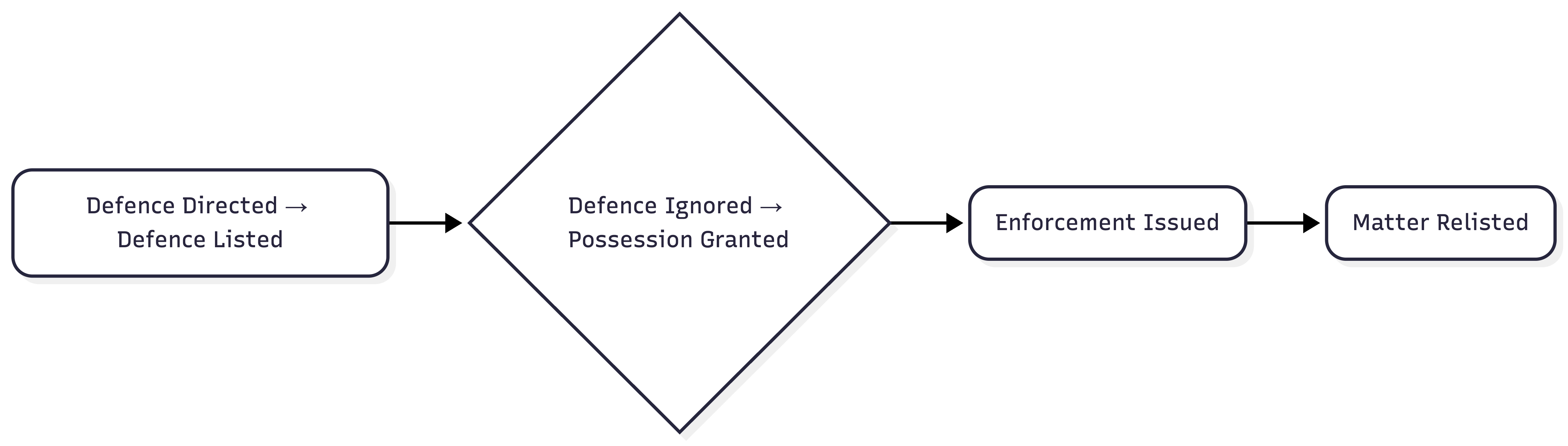
Reading County Court, A nexus of procedural breakdown, lost filings, and judicial inconsistency across multiple Deputy District Judges.
-
Image
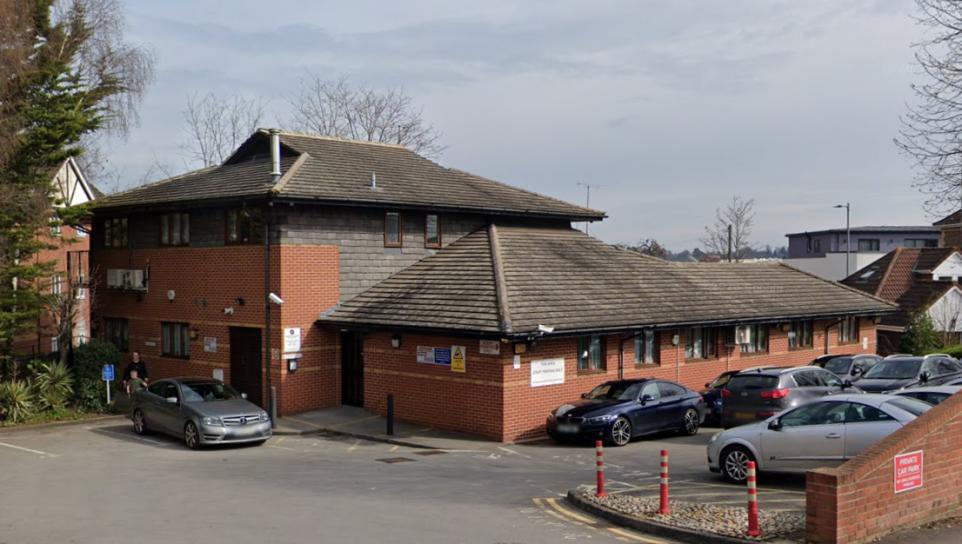
Theale Surgery, where clinical duty met the shadow of its own defence firm, DAC Beachcroft LLP.
-
Image
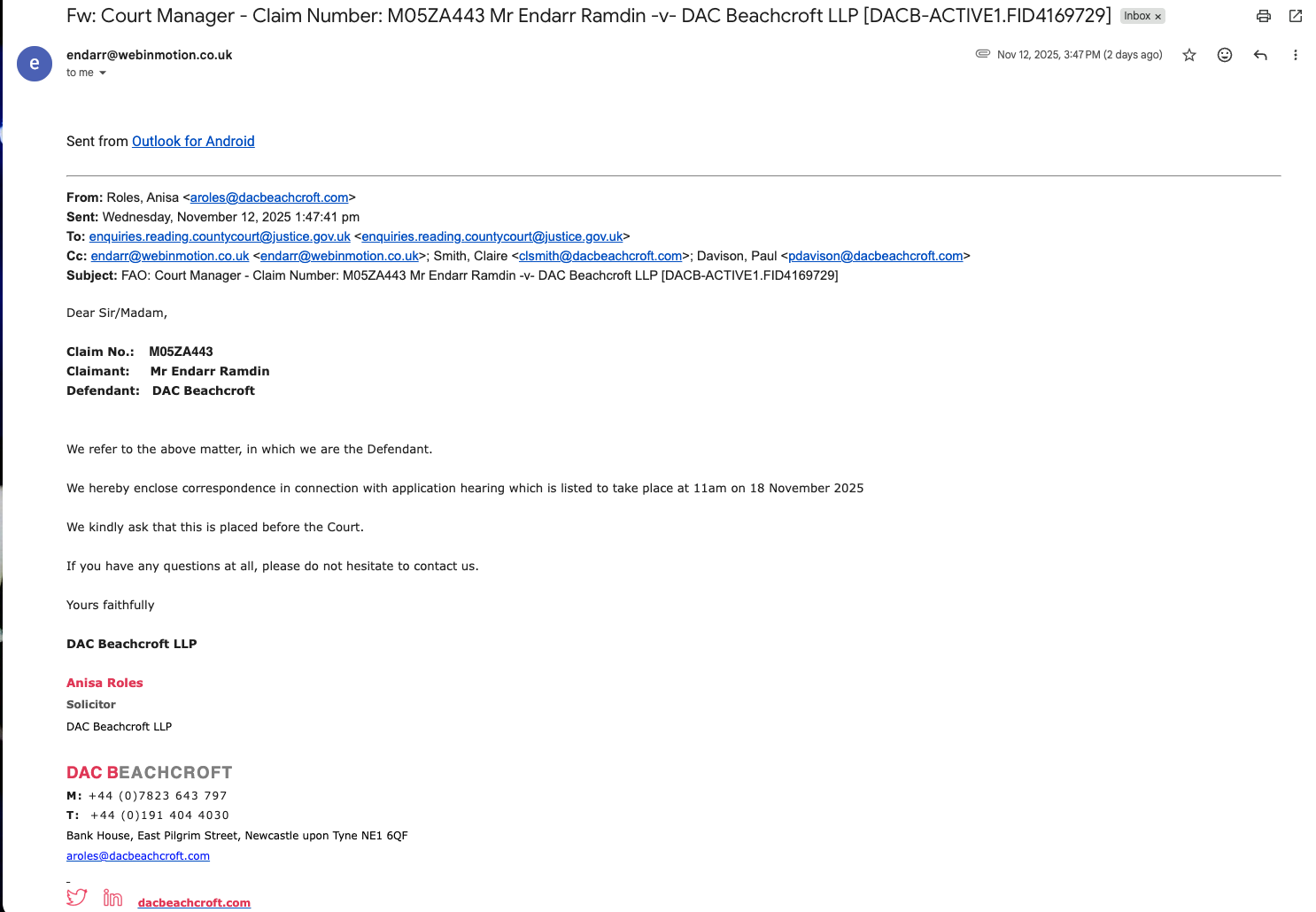
Service by unapproved channel during active proceedings a departure from rule-based process.
-
Image
A skeleton argument served into a silent court — evidence of procedural interference layered on top of judicial freeze.
-
Image