Environmental / Housing Law
This section contains public-interest disclosures involving environmental hazards, habitability breaches, landlord failures, statutory non-compliance, and public-authority omissions relating to housing, safety, and environmental health. Matters placed here include mould, damp, heating failures, structural hazards, unlawful eviction conduct, risk to life or health, failures to enforce environmental obligations, and local-authority inaction where statutory duties apply. Each disclosure documents the chronology, statutory framework, environmental evidence, and legal breaches that have placed the occupant at risk or resulted in degrading living conditions.
1. Habitability Standards and Housing Conditions
I. Landlord and Tenant Act 1985 — Section 11 (Repairs and Fitness for Habitation)
Disclosures in this category frequently involve landlords failing to keep the structure, exterior, installations for heating, water, sanitation, or supply systems in proper repair. Section 11 imposes a statutory obligation to maintain the property in a condition suitable for occupation; failures to act following notice constitute a breach of this duty.
II. Homes (Fitness for Human Habitation) Act 2018
Cases also include conditions that render a property unfit, such as damp, mould, inadequate ventilation, or hazards posing risk to health. The Act requires landlords to ensure accommodation meets basic habitability standards throughout the tenancy.
2. Environmental Health and Risk to Life
I. Housing Act 2004 — Housing Health and Safety Rating System (HHSRS)
Many disclosures arise from hazards classified under HHSRS, including category 1 risks (serious and immediate threats to health). Local authorities are required to inspect and take enforcement action; failure to do so places occupants at ongoing risk.
II. Environmental Protection Act 1990 — Statutory Nuisance
Issues such as persistent damp, infestation, or structural defects may amount to statutory nuisance. Where councils fail to investigate or issue abatement notices despite clear evidence, this constitutes a breach of environmental enforcement duties.
3. Local-Authority Duties and Public-Law Failures
I. Housing Act 1996 — Homelessness and Suitability Duties
Disclosures include failures to assess housing need, provide interim accommodation, or consider suitability in accordance with statutory duties. Procedural omissions, incorrect decisions, or unrecorded communications may invalidate housing decisions.
II. Public Sector Equality Duty — Equality Act 2010 (Section 149)
Matters in this category may involve the failure of public bodies to consider vulnerability, disability, or equality implications when making housing-related decisions. Section 149 imposes a mandatory duty of due regard; omissions breach this requirement.
4. Unlawful Conduct, Harassment and Interference with Occupation
I. Protection from Eviction Act 1977 — Sections 1–3
Some disclosures concern threats of eviction, withdrawal of services (such as heating or hot water), or intimidation intended to force the occupant to leave. These behaviours can constitute criminal offences under the Act and attract civil liability.
II. Harassment of Tenants — Criminal and Civil Liability
Where landlords or agents engage in conduct designed to disturb, pressure or degrade the living situation of a tenant, this may constitute harassment under housing law. Evidence of repeated interference, neglect of essential repairs, or retaliatory behaviour places the matter squarely within this category.
All Disclosure Cases Listed
Reading County Court, A nexus of procedural breakdown, lost filings, and judicial inconsistency across multiple Deputy District Judges.
-
Image
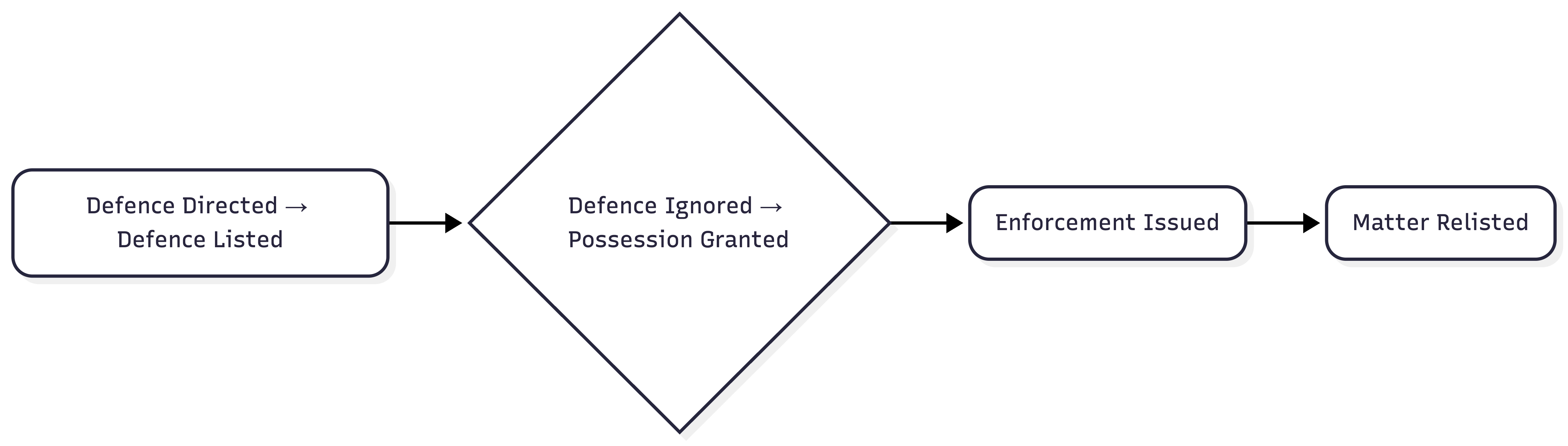
From landlord misrepresentation to judicial neglect — a closed civic circuit of fraud and verification failure.
-
Image